Experienced Midwesterners know that summer storms can be breathtakingly beautiful.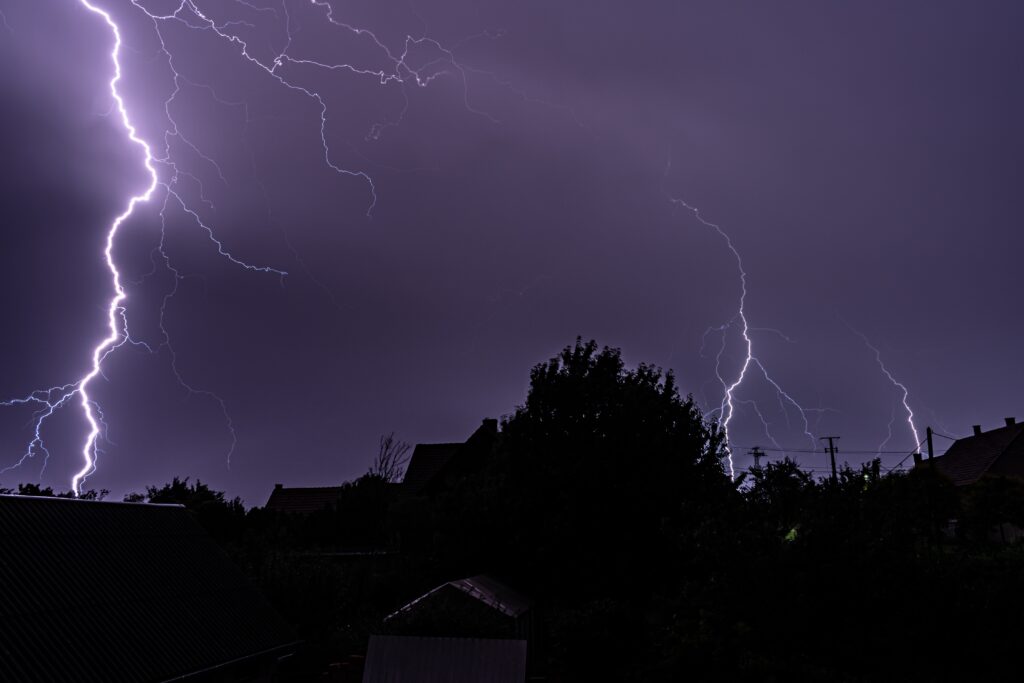

They also know how damaging those storms can be.
When the rains are heavy for several days in a row, your home is at risk of long-term water damage. Following are some of the most common heavy-rain, damage-susceptible places in and around your home.
Your Roof
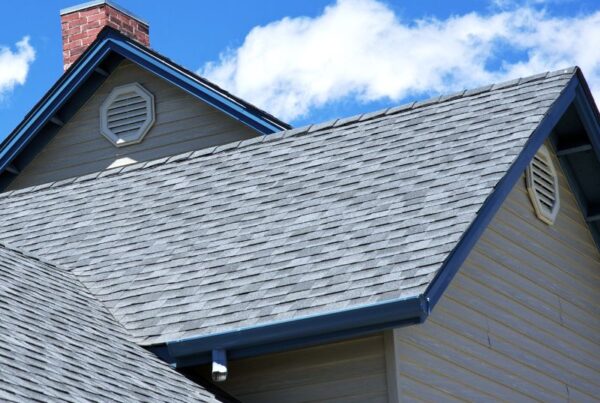
Without a properly installed or regularly maintained roof over your head, major storms will soon make any weak spots obvious. Drip drip drip Expect to put out a few buckets around the house, and get busy with a mop until a contractor safely repairs the roof – the sooner the better as the damage can spread quickly.
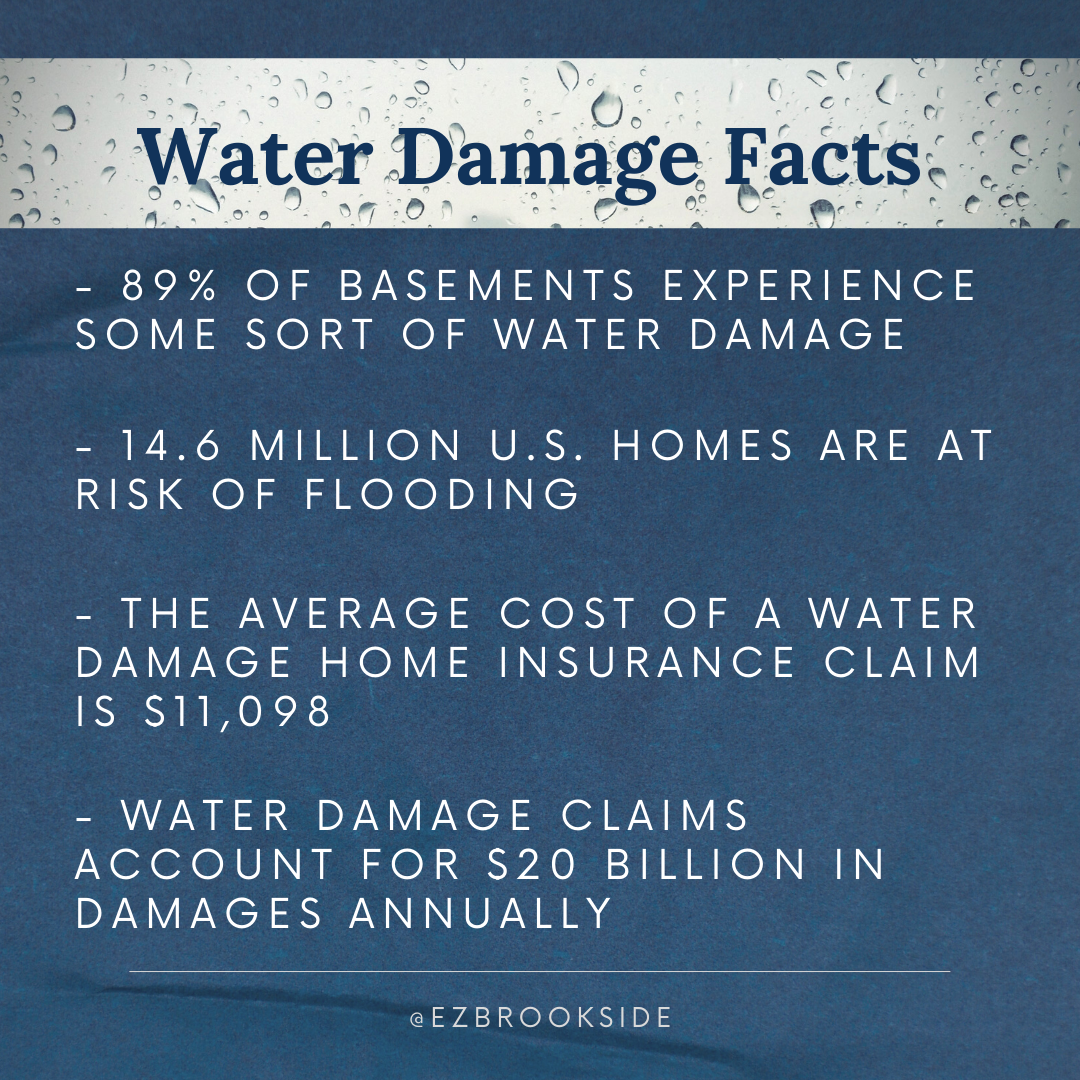 When people think of water damage, they often assume it comes from the roof. However, keeping a safe and functional roof is only the first step toward protecting your home from springing a leak!
Your Electrical System
Your home’s wiring system is often centrally located in the basement, utility room, or even the attic of your house. Look for the service box and main switch; there is an entire panel of breakers and connected circuits. Intended to be indoors, your home’s electrical system is not designed to encounter water. If the junction box or other parts of the system gets wet or sits in standing water, the circuits could short out. This would damage the motors, the wiring, any electronics, and possibly create a very dangerous situation. If this happens, make sure the system is turned off from the main circuit breaker. Do not try restarting the system before a professional electrician can thoroughly examine it.
If your electrical system is centrally located in the attic, for example, a roof leak could damage your wiring. The same follows for a flooded basement or utility room – keep an eye out wherever your electrical unit is located.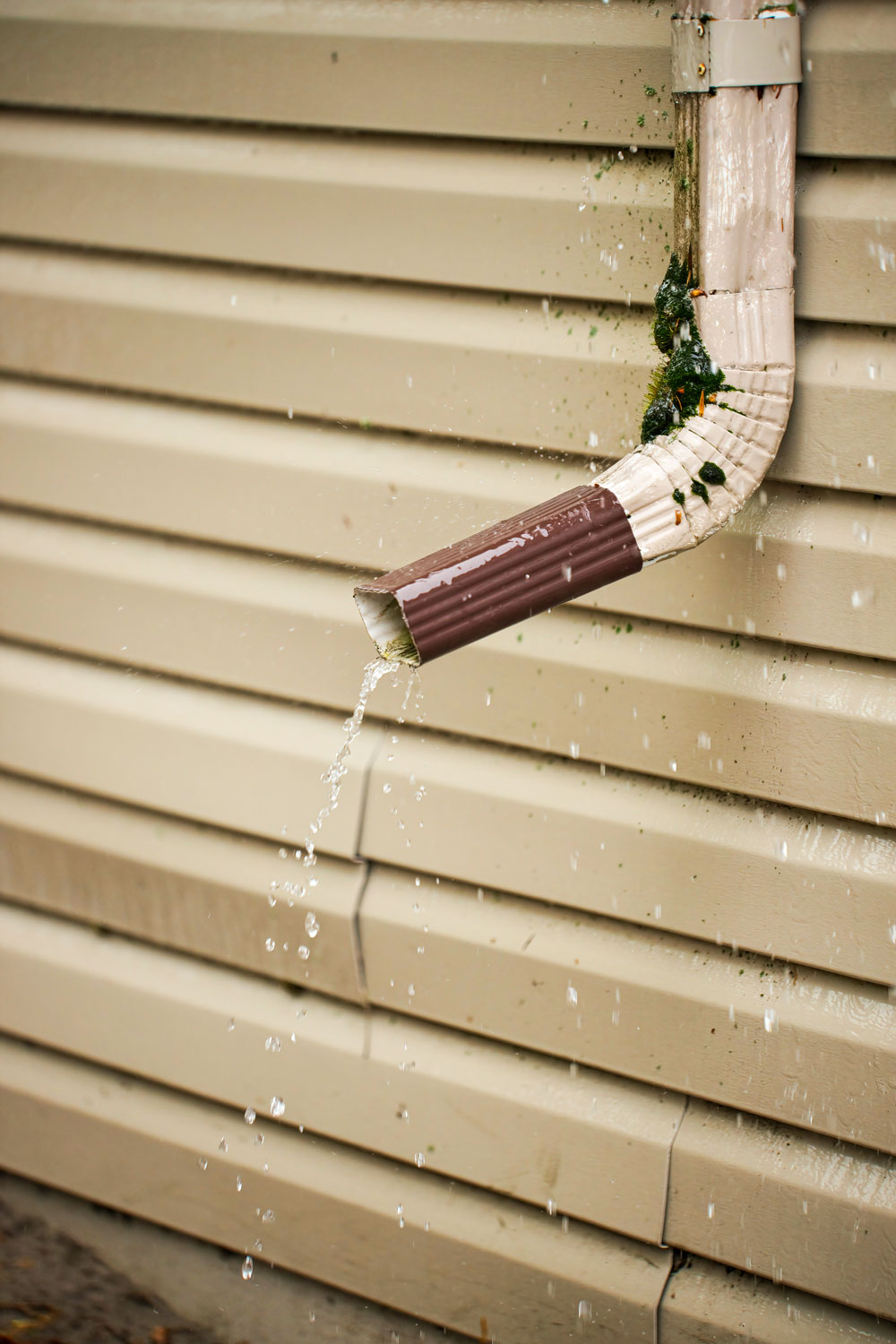
Your Gutters + Downspouts
Gutters and downspouts are intended to gather water runoff from the roof and neatly carry it down and away from the building. If a gutter is clogged, it can overflow, causing water damage to the roof or can run down the side of building and potentially seep in through walls and windows. To avoid this issue, experts recommend routinely clearing your gutters from any leaves or twigs that may have accumulated.
Downspouts as well must be properly maintained, or else they too can become clogged and overflow. If water is pooling at the end of your downspout, you should add an extender to further distribute the water, or consider addressing your yard slope.
Your Landscaping
A properly sloped yard uses the force of gravity to carry running water away from your home and foundation. Without a correctly graded yard or a maintained drainage system, the excess water from rainstorms may not only drown your lawn and plantings, but also cause damage to your home’s foundation.
Pooling water around your home will at some point find a way through cracks, weakening your home’s foundation and leaking into your basement.

Ellen chats with some of her guys from Envision Lawn & Tree
Your Basement
Puddling water around your home seeps through the ground and can crack your foundation and basement. These leaks can dampen everything, which encourages the growth of molds and mildews. This may cause severe breathing and health issues. Some basements flood outright, doing major damage! You know who loves cracked basements and damp air? Termites and carpenter ants! Trusted contractors can plug any holes, fill basement cracks, and apply waterproof sealing to help block the leaks and keep out the damaging pests.
Many homes with a likelihood of basement flooding use sump pumps to remove excess water that collects underneath the house’s structure. However, they are rarely needed and easy to forget about. Without routine inspections and proper testing, your sump pump might not work when you need it! Keep an eye on the pump, ensuring its functionality. Some experts also recommend installing a back up generator as well so that if you lose power, your sump pump can still keep working to prevent flooding.
Your Sewer System

Excessive water from heavy rainstorms generally washes down street gutters and ends up in city sewers. This overabundance sometimes overwhelms the system, causing backward flow that can enter your home’s sewer line, and may even flood your basement with sewage!
Ellen Can Help!
Whether you’re looking for a trusted contractor to help prevent water damage or you need a good handyman to make some affordable repairs, call Ellen first! She has the connections to find you a reliable, fairly priced contractor. From roofing to sump pumps, even landscaping and sewer inspectors, Ellen’s got a guy!
Have a question about your home? Call Ellen today!