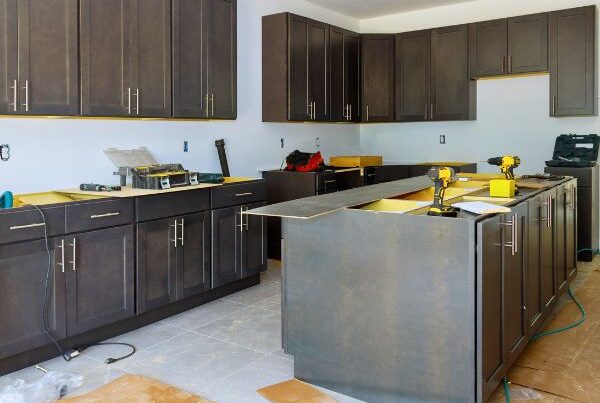
What is the difference between an interior designer and an interior decorator? To most people probably nothing, but that is not the case!
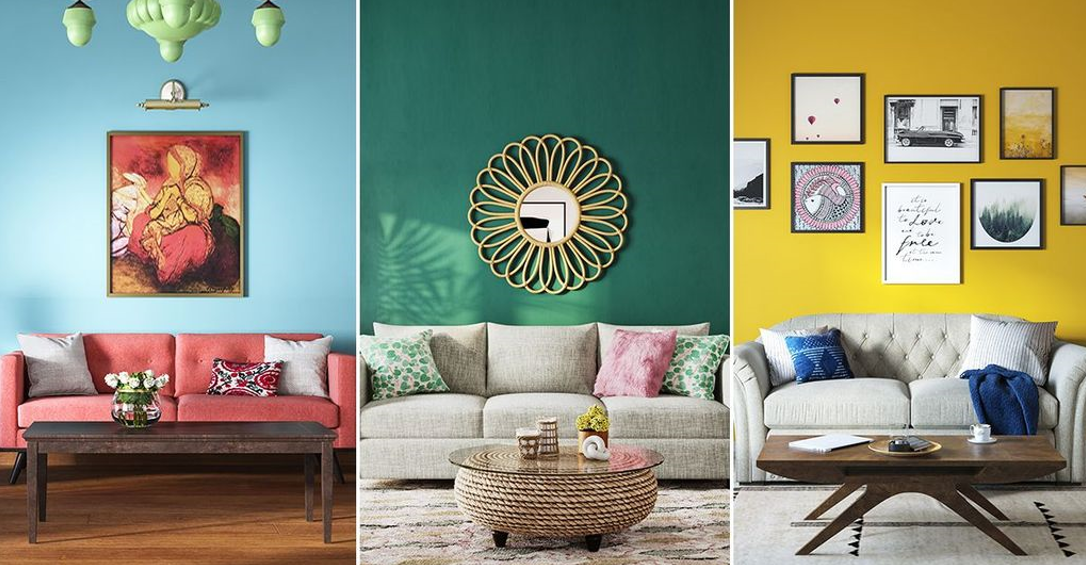
An interior designer can help a homeowner communicate their vision and see it brought to life. PC: Livspace
An interior decorator primarily deals with the surface level of things, or how they look: furniture, colors, fabric, and the like. An interior designer, on the other hand, deals with function and so is as much an engineer and an architect as a “decorator.” The designer is much more hands-on in terms of space planning that may involve structural changes, including knocking down walls or reconfiguring rooms entirely. In kitchens and bathrooms especially, that can involve major changes to plumbing, electricity, structural support, and other elements that allow a room—if not the entire house!—to even exist, much less be altered.

Alan Karlin
Let’s Hear from an Expert
Alan Karlin is a successful, veteran interior designer who has run a thriving business in the Kansas City metropolitan area for over 30 years now, and he is quick to point out aspects of his work that would surprise most people.
“I think that people do not know that while there’s plenty of time spent being creative, a lot more time is spent making phone calls, doing paperwork, and the kind of menial things that go into running a business and making decisions just to get a project to fruition,” he says. “There are so many people involved, whether it’s contractors, subcontractors, plumbing suppliers and the plumbers themselves, tile dealers and installers, and then furniture. Somebody must pull all that together, and while the contractor might be crucial to that, I’m the one vetting and specifying all the selections.”

This bathroom exemplifies the sleek, simple look that most homeowners want today.
One of the most common projects Karlin takes on is remodeling bathrooms, especially in older neighborhoods like Brookside, where bathrooms are generally smaller than those in newer homes. In fact, more than half of all houses in the U.S. were built before 1980, and Brookside was developed and built largely in the 1920s.
“You might say that what we’re seeing today in bathrooms is modern but more streamlined, more simple,” says Karlin. “There was a trend for a while of elaborate showers with body sprays that people don’t really need or want now. In the ’80s and ’90s, and even into the start of the 2000s, jetted tubs were very popular, but those have gone by the wayside in new bathrooms.”
Access to Expertise
There are advantages to using an interior designer outside of project management and keeping up with trends in aesthetics.
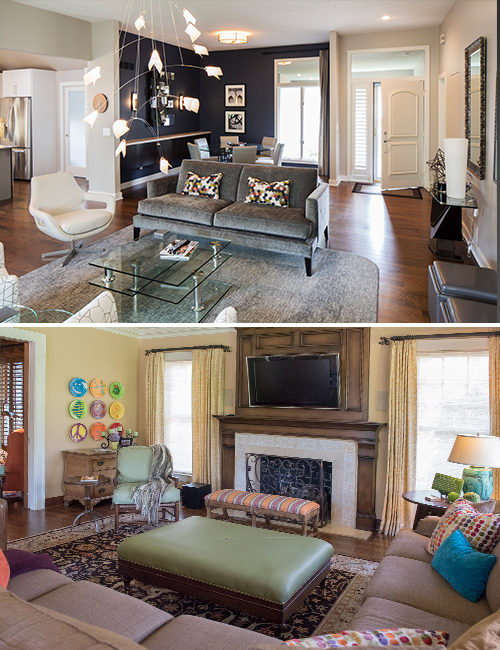
Spaces designed by Alan Karlin.
“People feel very comfortable with all the retail stores that are out there now offering good design and good taste to the general public,” he says. “But an interior designer has access to more variety and things that are not accessible through retail, which can be specifically ordered in exactly the right color, texture, and size. A store, catalog, or online shopping can make that complicated, whereas a designer can go directly to exclusive sources and pick what’s right for the project.”
Another common misperception is that engaging an interior designer is an extravagance, a notion that can derail a project before it even starts.
“Getting an honest answer about a budget can be difficult because people are afraid that whatever amount they name will be the amount spent, if not more,” Karlin says. “However, I can solve any problem and make something better, but I need parameters. You can buy tile that’s $200 a square foot or another that’s $5, and they can both be attractive, though with vastly different qualities, but we need some kind of guide.”
Ellen has collaborated with Karlin on numerous projects and values his commitment to staying within the agreed budget while consistently delivering exceptional results that feel like magic! Good interior designers like Karlin don’t just spend money because it’s available. They are experts at utilizing their budget to make the best impact.
Design Drives Functionality and Practicality
There is much satisfaction to be had through a good relationship with an experienced interior designer, and Karlin is happy to recount one of his past—and his client’s—happiest experiences.
A gentleman who had suffered a stroke and was downsizing from a large house to a villa not only needed a new home but an entirely new level of functionality. The project was not “carte blanche,” Karlin likes to point out, and the client was very clear about his tastes, budget, and timeframe.
“He gave me pretty clear parameters,” he remembers. “When he returned six months later and was ready to move in, everything was ready and his new home met all his new needs around functionality. In fact, he cried when he saw his new space.”
Besides the emotional satisfaction of the perfectly designed and curated space, there is a genuine, practical aspect, too.
“People may think interior design is a luxury, but it’s definitely not,” Karlin exclaims. “It’s money well spent because homeowners avoid expensive mistakes that come from choosing the wrong colors, tiles, finishes, furniture, or art. Hiring an interior designer is just like hiring an accountant or an attorney. We are all offering professional services, and at a level that many people are not qualified to do on their own.”