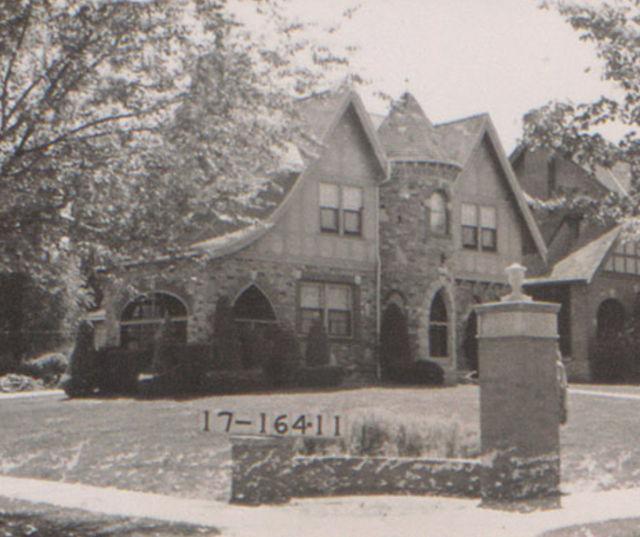
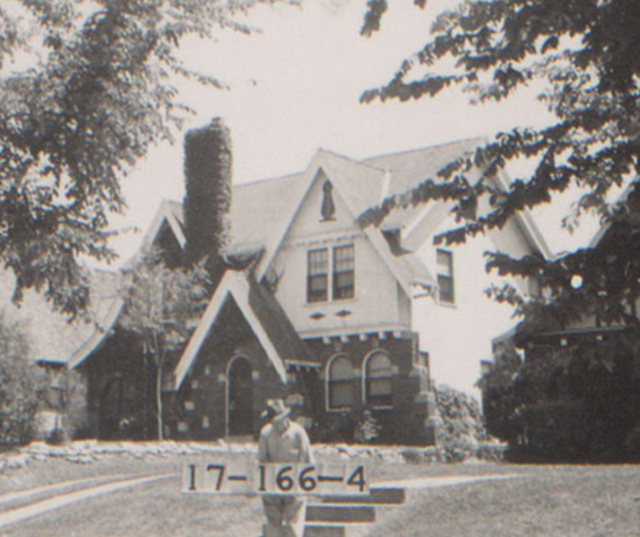
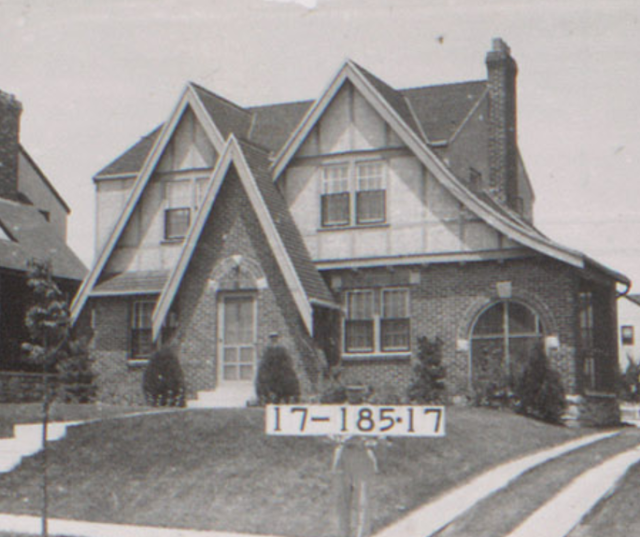
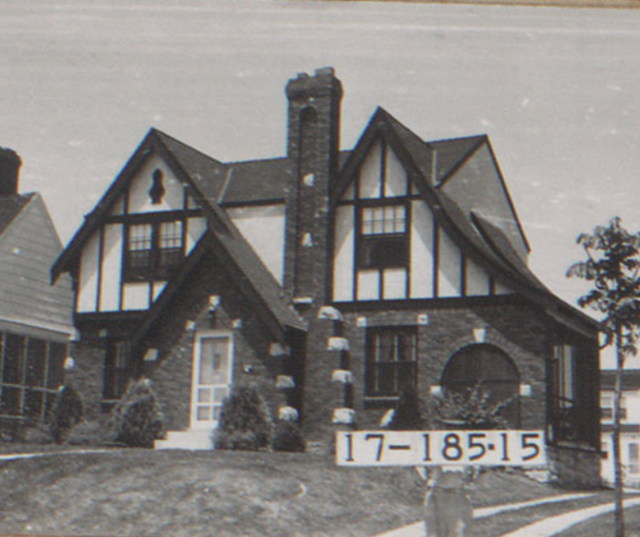
Kansas City has one of the most eclectic collections of early 20th-century homes in the country. Each style has its own charm, but the Tudor Revivals by builder Napoleon W. Dible may be the most popular—and certainly the most recognizable!
Napoleon W. Dible

Napoleon W. Dible
Napoleon William Dible was one of the city’s most influential home builders. He arrived in Kansas City in 1903, and though he had little experience in real estate development, he saw an opportunity to use his background in marketing to take a fresh approach to home building. Inspired by the iconic Tudors of England, with their intricate detailing and meticulous craftsmanship, he wanted to bring that timeless look to Kansas City, but in a way that would be accessible to more homebuyers.
Unlike many of the other builders in Kansas City during this time, Dible understood how to appeal to middle-class buyers and so designed his homes to be both attractive and affordable. He specifically tailored his designs with the lady of the house in mind, with numerous touches throughout to make her daily life easier. His homes’ unique features included large bedroom closets, built-in ironing boards and shoe racks, laundry chutes, and easy-to-clean pastel-colored tiled entries and baths.
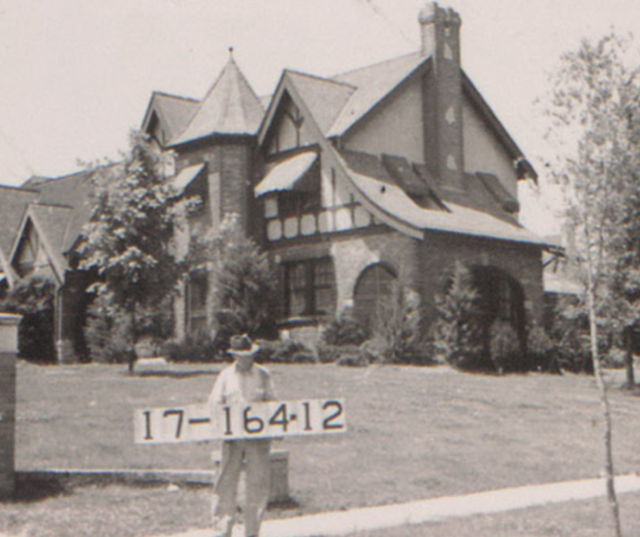
Dible’s Tudors feature exquisitely detailed exteriors that were uncommon for homes in this price range. Decorative half-timbering combined with brick, stone, or stucco created the distinctive façade. Tall chimneys, steeply pitched roofs and gables, arched doorways, and asymmetrical details added character and charm. Many of his Tudors have screened-in side porches to shield residents from the rising levels of automobile noise and pollution. Recognizing that many potential homebuyers were buying Model Ts—the early Ford that made automobile ownership available to the masses—many of the properties he developed included detached garages.
Designed for the Middle Class

Several streets throughout Brookside and Waldo are lined with Dible Tudor Revivals.
Dible’s Tudors struck a rare balance, with designs that varied just enough to make each home feel almost custom, but within limitations that kept construction costs low. Floor plans were fairly consistent, but with small variations, like alternating front door and kitchen placements, that minimized expense without sacrificing the embellished style that is the primary characteristic of Tudor homes.
His homes were so popular that he was able to purchase large tracts of land across Kansas City’s south side to construct many houses before finding a single buyer. Today, hundreds of Dible Tudors still stand in all their beauty and glory across Brookside, Waldo, and beyond, with the majority of them nestled in Rockhill Gardens. While the price tag of these homes has not stayed low, their popularity remains high—especially among lovers of Kansas City’s historic residential architecture!
Find Photos of Your Historic Home Online!
There’s a good chance that anyone who lives in a house built in Kansas City before 1940 can find a photo of it online. That year, the Jackson County Tax Assessor’s office and the Works Progress Administration conducted a photographic survey of every building standing in Kansas City, resulting in a collection of thousands of images of residences, businesses, schools, churches, and government buildings.
These photos can now be found on the Missouri Valley Special Collections website under 1940 Tax Assessment Photos. The website includes a tool to locate the block folder containing a home’s photo, with photos from each block documented on large boards, each one numbered to coordinate with the tax assessment workers seen in the photos.
Whether a history buff, architecture enthusiast, or someone who appreciates a home with character, Napoleon Dible’s Tudors offer a charming window into Kansas City’s past and a timeless reminder that thoughtful design never goes out of style. And with as many homes as Dible built—and that remain intact today—if there’s one on the market, Ellen will know!