What does it mean when a home is on the National Register of Historic Places? Is it a good thing or a bad thing?

The Van Noy Mansion was listed on the NRHP in 1987.
The National Register of Historic Places (NRHP) is a federal list of historically significant sites and structures deemed worthy of preservation. And while it may sound quite “official,” this governmental designation is actually more of an honorary title.
The NRHP recognizes properties uniquely connected to American history, architecture, archeology, or culture. To be eligible for listing by the NRHP, the structure or site must be at least 50 years old. It must also have some association with one or more of the following:
- Connection to important social change, such as the Paseo YMCA, where baseball’s Negro National League was founded in 1920. This event changed the trajectory of American sports and civil rights.
- The life or lives of people who were significant to our nation’s cultural history, such as the Thomas Hart Benton Home & Studio in the Valentine neighborhood.
- Distinctive characteristics of type, period, or method of construction, or represent the work of a master, possess high artistic values, or represent a significant and distinguishable entity. For example, the New York Life Building, designed by McKim, Mead & White in the American Renaissance style, was built downtown in 1899 and was the first building in Kansas City with elevators.
- Has yielded or has the potential to yield information about history or gives context to the local availability of materials or construction expertise. A local example is the Kansas City Stockyards and the Livestock Exchange Building in the West Bottoms. This building illustrates late 19th- and early 20th-century industrial construction, labor systems, and the use of locally sourced materials.

The John Wornall House was listed on the NRHP in 1969.
Are there restrictions for making changes to a home on the NRHP?
A common misconception about homes on the National Register is that there are numerous restrictions that limit any renovations or changes that homeowners want to make, but this is not the case. The federal government places no restrictions on the homeowners of these properties unless there is federal funding or permits involved. Other than that they are free to make any changes they wish.
Local ordinances also impact historic properties and districts. Each state and municipality has their own laws, and in Missouri a National Register application must be processed by the State Historic Preservation Office (SHPO).
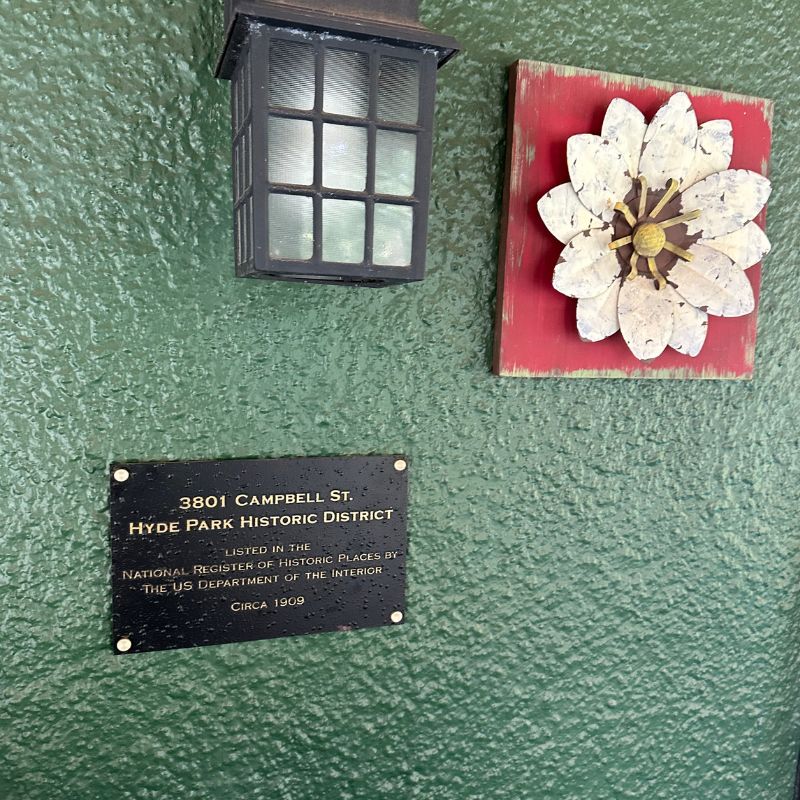
Homeowners often show that their home has been added to the NRHP with a plaque.
Local Historic Homes Registry
Kansas City area homeowners can apply for the both NRHP and the Kansas City Register. There are only a few differences between the two. For example, buildings on the Kansas City Register must follow the Secretary of the Interior’s Standards of Rehabilitation for any exterior changes, and properties must be kept in good repair.
In Kansas City, properties with local historical designation will typically need approval from the the Kansas City Historic Preservation Commission to make any changes that will be visible from the street. Interior changes generally do not need approval, but some exterior changes – such as adding or removing architectural features, altering windows, doors, or siding, new additions, or demolition of any kind – require it. Some exterior repairs of historical buildings must match the appearance or require period specific materials or techniques.
If the property is located within a historical district, the house must maintain the neighborhood’s distinct character through specific design guidelines. This can include paint colors, landscaping requirements, fences, or other visible elements. Homes within these protected districts may have to adhere to specific restrictions even if they are not listed on any kind of historic registry. In Brookside, Wornall Homestead has its own historic overlay district in place to preserve the neighborhood’s 150-year legacy.
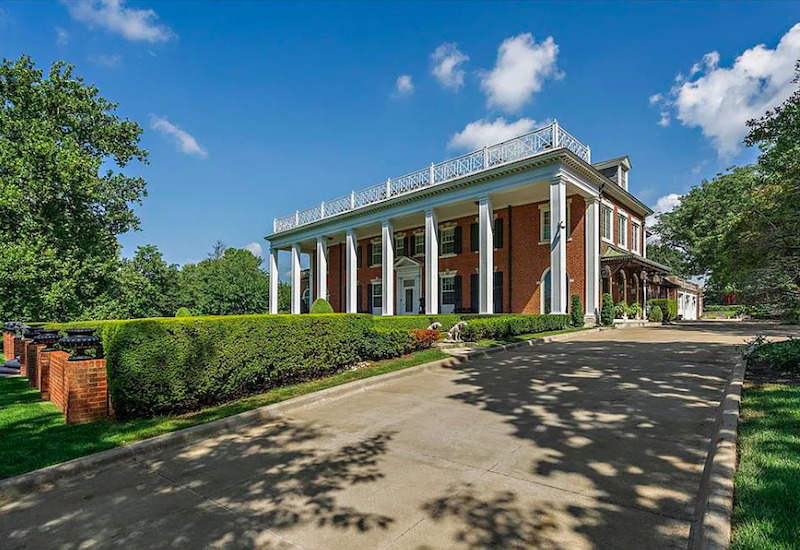
The Hunter Gary House was listed on the NRHP in 2008.
Benefits of Being Listed on the National Register
The application and evaluation process can be difficult, but homeowners may take up the challenge because of the benefits associated with being listed:
- A NRHP listing provides information for researchers and historians, possible federal tax credits, and preservation grants or easements.
- Access to alternate fire and life safety codes.
- Protection from the Advisory Council on Historic Preservation if the property is affected by a federal project.
- Tax and funding benefits through SHPO and other local agencies.
- Access to the National Park Service’s renovation and preservation resources.