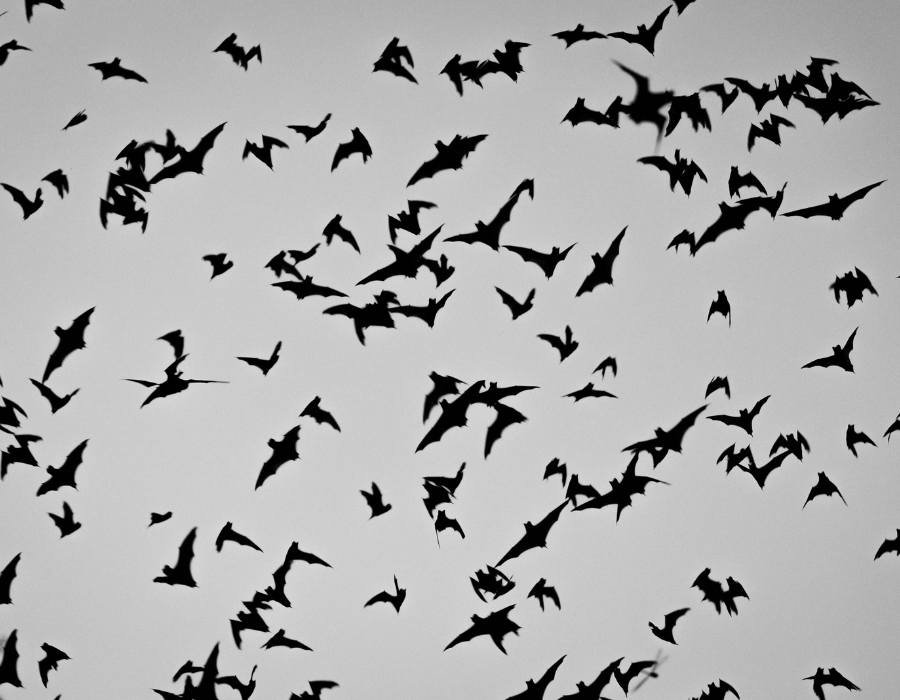
Bats are an essential part of the Midwest’s ecosystem, especially for insect control.
In fact, the most common bat in the Kansas City region, the little brown bat (Myotis lucifugus), can eat as many as 1,000 insects in one hour! They also support plant diversity, and their droppings improve soil health. Do you want them in the neighborhood? Sure. Do you want them in your house? Absolutely not!
Approximately 14 bat species call eastern Kansas and western Missouri home, some year-round and some seasonally. Many have seen a serious population drop from habitat loss, illness, and human interference. Conservationists go to great lengths to protect bats, which is great! But for all the good they do for the environment, they can be a major headache for homeowners.
Bats are drawn to attics and garages because those spaces mimic their natural habitats, which are warm, dark, and undisturbed. An opening as small as 3/8 of an inch is big enough for a little Myotis lucifugus to make its way inside and hang around (literally). Homeowners are often alerted to their pesky new squatters by the sounds of scratching or chirping, or when one darts startlingly into view when disturbed.
Infestation Risks and Damages
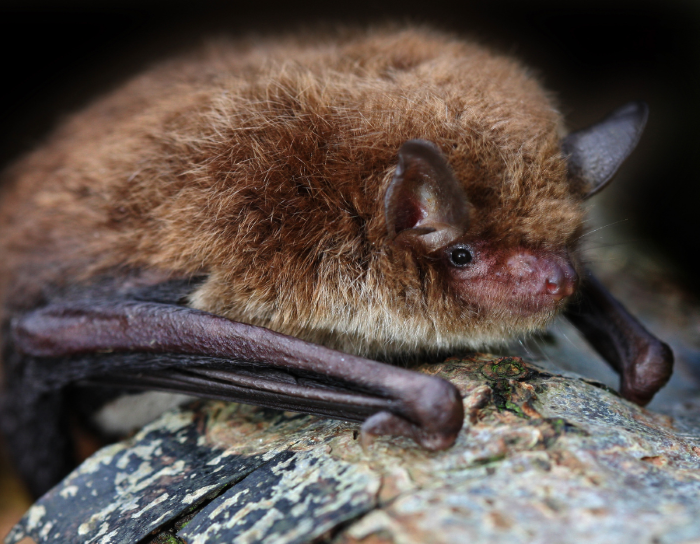
There are specific times of the year, known as maternity season, when it is prohibited to remove bats.
For bats, “maternity season” typically lasts from May to August, and during that time, removing bats is actually illegal! Removing them before maternity season begins is crucial because the population of the colony can skyrocket in those three short months. Bats are given enhanced protection during maternity season, as infants, or pups, cannot fly or be separated from their mothers. If a bat infestation is discovered during this time, it’s important to work with a pest control professional to ensure that no laws are broken during the removal process.
The longer a colony is allowed to occupy a space, the more urine and guano (feces) will accumulate and cause significant damage to insulation, wood, and drywall. Guano must be carefully removed as soon as possible because it carries a fungus that releases microscopic spores as it dries. When these spores are inhaled, they can cause histoplasmosis, a fungal infection that can cause flu-like symptoms, pneumonia, and even chronic lung issues in severe cases. A very small percentage of bats, typically less than 1%, carry rabies, which can be transmitted via a bite or scratch.
Besides health risks, a bat infestation can cause considerable structural damage, especially in attics. After an extended period of time, the accumulated guano often means that insulation needs to be replaced entirely. The ammonia in their urine is corrosive, and wood exposed to it can lead to weakened rafters, beams, and joists, putting the structural integrity of the entire roof at risk. Moisture from urine and guano that makes it to the ceiling below can cause sagging or warping, possibly requiring replacement as well.
Skip the DIY Removal & Cleanup
Missouri and Kansas have their own laws around bat removal, which must be completed humanely and outside of maternity season. In fact, sealing off entry points or attempting removal of young bats can even result in legal charges. If the bat species is endangered, like the Indiana bat, the gray bat, or the Virginia big-eared bat, which are rare but not unknown in the region, additional – and even more onerous – Federal penalties may be incurred.
 Even outside of maternity season, bat removal must be non-lethal. Pest control professionals, like Ellen’s go-to team at Critter Control, use a variety of tactics, including one-way vents and live trapping, to remove them. However it’s accomplished, conservationists and pest control professionals are adamant that handling bats requires highly specialized training, so don’t try it!
The bat removal experts at Critter Control are well-versed in each state’s laws regarding bats and their removal. After the colony’s gone, Critter Control can assist in the aftermath of a bat infestation, which includes replacing insulation, closing entry points, and bat-proofing to protect homes from future infestations.
Bats belong outside, not in a home, and the risk they pose to health and property, not to mention the legalities of their removal, make that task one that is best left to professionals. The moment their presence is spotted, act at once, within the law, and let experts keep bats where they do the good work that nature designed them for.