Violent thunderstorms and dangerous tornadoes are not uncommon in the Midwest, so being prepared before they hit is essential. Having a solid plan in place before the sirens go off and systems go down helps homeowners and families stay safe without wasting precious time.
Find Your Home’s Safe Place
First, identify the safest space in the house in which to shelter. In a basement, the space under the stairs is often the most secure, especially if it is away from windows. Stairs are built to support enormous amounts of weight, so the area underneath provides safety should anything above collapse. Also, avoid close proximity to heavy appliances often found in basements, such as furnaces, water heaters, washers, and dryers.
If under the stairs in your basement is not an option, stay toward the center, away from windows and anything that can come loose and fly around. Keep in mind what is on the floor above you. If the structural integrity of your home is compromised, you may be at risk of the fridge or piano coming down on top of you.
In houses without basements, interior spaces without windows, especially small bathrooms and closets, provide a significant measure of safety. Avoid sheltering on upper floors, as they are much more likely to be damaged than a house’s ground level.
Prep Your Safe Place
Collect the following items and keep them in or near your family’s designated safe space, or somewhere that is easy to access quickly.
- Flashlights.
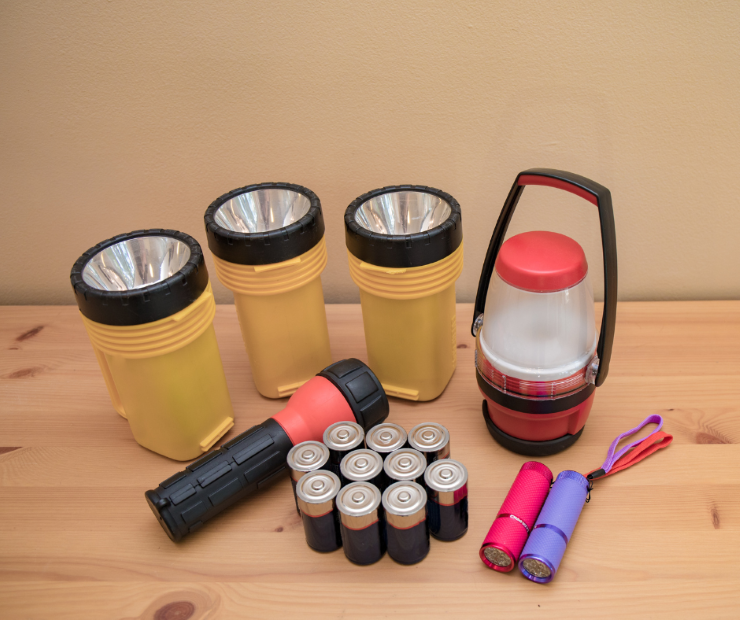
Make sure you include extra flashlight batteries or opt for a wind-up model.
- Extra clothes. Keep an extra set of clothes for everyone in the family, stored in a plastic bag so they stay dry and clean.
- Phone charger. Make sure that phones stay charged with a rechargeable power bank, and check it from time to time to make sure that it is fully charged and ready.
- Radio. Have a reliable, battery-powered radio so you can hear news, warnings, updates, and weather reports.
- Food and water. Keep nonperishable snacks like trail mix, granola bars, beef jerky, or crackers along with clean drinking water stored in an accessible spot.
- First aid supplies. A basic first aid kit is helpful in case of an emergency. Include small supplies of prescriptions in it, too, or keep them in an easy-to-grab spot.
- Important documents. Make sure that important papers and documents – especially insurance policies – are stored safely in Ziploc plastic bags, easy to grab in a hurry or find later.
Stay Connected with Helpful Online Resources
Utilize these free online tools to stay informed and keep you and your family safe during storm season!
AlertKC
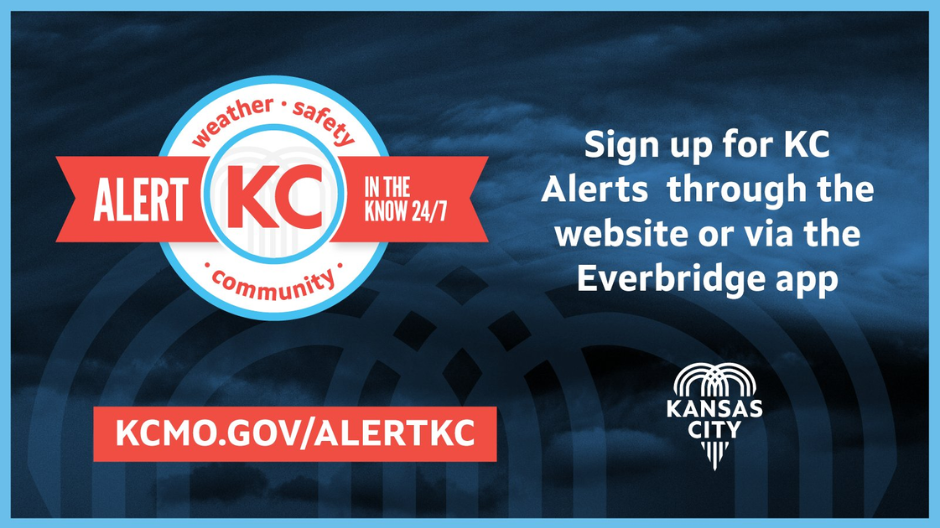 Sign up for AlertKC on the City of Kansas City’s website. It was created to help protect residents by delivering weather warnings and community alerts directly to mobile phones. Click here to sign up for AlertKC.
When tornado alarms sound, dress quickly in warm, protective clothing, preferably in layers, and don’t forget sturdy, waterproof shoes or boots. Grab indispensable items that are not stored in your safe space, like cell phones, purses, and wallets.
Evergy Outage Map
 Oftentimes, a strong storm will cause your home to lose power. Evergy’s online Outage Map makes it easy to report a power outage at your home and get updates on estimated restoration times. To receive outage updates directly to your phone, you can click here to sign up for Outage Alerts!
Post-Storm Tip
If the roof of your home sustained any damage during the storm, call a professional roofer before you call your insurance company! A reliable roofing pro will be able to give you an honest assessment of the damage so you can decide if it truly warrants making a claim with your insurance company. This will help you avoid making unnecessary claims for minor damages, which can increase your insurance premiums or hurt your insurance record.
A professional roofer will thoroughly document the damage for you with photos and a repair estimate. The roofer’s report will be useful in supporting your claim if you do go to your insurance company and help prevent disputes with the adjuster.