In navigating the real estate market, terms like active, under contract, contingent, pending, and more pop up here, there, and everywhere – but what do they mean?
What does it mean if a listing is “Active”?
In searching for houses across all the different online real estate apps and websites, most of the homes you come across will be listed as active. That means that the seller has not accepted an offer yet and the house or condo is available for purchase.
Now, that doesn’t mean that interested buyers have not submitted offers, only that the seller has not accepted one and signed a purchase agreement yet. Sellers can receive several offers, wait to review their options, and negotiate with the buyers – all while the home is listed as active. Once they accept an offer, the home is no longer considered active. It is now under contract.

Under contract doesn’t mean there is zero chance the home won’t become available again. Several factors can cause a sale to be terminated.
What does it mean when a home is “Under Contract”?
Under contract means that the seller and a buyer have signed a purchase agreement and proceeded with the next steps of transferring ownership.
Once the seller has accepted an offer, the home is no longer actively marketed, but the sale is not final yet. There are several steps to complete before closing day, but for all practical purposes, the property is no longer considered active. That agreement is a legally binding contract that includes key details of the sale like purchase price, earnest money deposits, contingencies, etc.
Can sellers still accept offers from other buyers if the property is under contract?
Yes. Sellers can still accept backup offers from other buyers while the home is listed as under contract.
In some cases, when a house goes under contract, it can be listed as Under Contract – Show For Backup. This lets other buyers know there is an offer that has been accepted, but the seller is still interested in receiving offers in case the transaction falls through. Sometimes a stronger offer comes in as a backup. An experienced agent can help you evaluate your options and navigate the situation to protect your best interests.
Can the buyer back out after going under contract?
Buyers can back out of purchasing a home after going under contract, but there can be financial consequences, like losing their earnest money. There are only a few cases where a buyer can cancel the contract without penalty, such as when a contract contingency has not been met or the seller has breached the agreement.

Homes that are under contract are not actively marketed, but sellers may still accept backup offers in case the current sale is canceled.
How long are houses under contract?
Homes are typically under contract for 30 to 45 days. The time it takes to go from offer accepted to closing day can vary based on:
- Loan type
- Inspection negotiations
- Appraisal timing
- Title work
- Cash purchases versus financed purchases
What steps must be completed during the Under Contract phase?
1. Inspection and Resolution
Once an offer has been accepted, typically the buyers have 10 days to order the inspections they want. They may hire experts to check any number of the home’s features, including the roof, plumbing, electrical, HVAC systems, sewer lines, and appliances. Once all the inspections are completed, the buyer and seller are then in the resolution phase, where the issues found during the inspections are addressed. The options include:
- Requesting the seller repair it
- Asking for a credit toward closing
- Negotiating a change to the contract
- Accepting the home as-is
- Terminating the contract if allowed under the agreement
2. Financing
If buyers are planning to finance the purchase of the home, the process of securing it must begin as soon as the offer is accepted. It takes lenders time to fully complete the underwriting, and if any problems do pop up, buyers will want as much time as possible to address them.
3. Appraisal
The appraisal is ordered by the buyer’s lender to confirm that the home is worth the price of the loan being requested. If the appraisal comes back lower than the purchase price, negotiation options include:
- The seller reducing the price
- The buyer paying the difference out of pocket
- The buyer and seller negotiating a different solution
- The buyer terminating the sale, if the contract allows it
Sellers can also include an appraisal waiver in the contract, in which the buyer agrees to make up the difference with their own funds if there is a gap between the agreed-upon price and the appraisal.
4. Homeowners Insurance
Buyers should begin shopping for a homeowners insurance policy as soon as they are under contract. Rates and availability can vary wildly, and the inability to secure affordable coverage can put the entire transaction in jeopardy. Ellen always recommends that buyers work with a reliable, local insurance broker to find appropriate coverage and understand exactly what they are getting.
What is a Home Sale Contingency?
For many buyers, purchasing a new home is somewhat, or even completely, dependent on selling their current one. A home sale contingency gives them time to list their home, accept an offer, and complete that sale so that they have access to the funds needed to purchase their new home.
What does “Pending” in real estate mean?
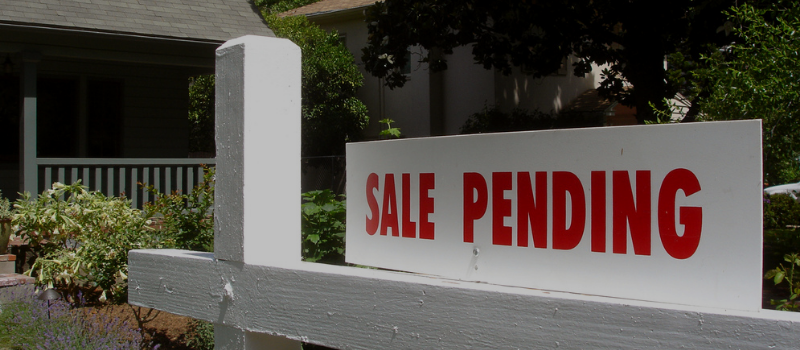
A listing marked as pending means that the seller has accepted an offer, a contract has been signed, and the transaction is nearing the finish line.
The final steps of the transaction take place during the pending phase. The inspection and resolution phases have been completed. Lenders are finalizing the underwriting, and the title company is confirming there are no ownership issues or unpaid liens that could jeopardize the sale. The buyer also completes a final walkthrough to make sure the property is in the condition they expect and that all agreed-upon repairs are complete, included appliances and other items are still in place, and no damage has occurred during the process.
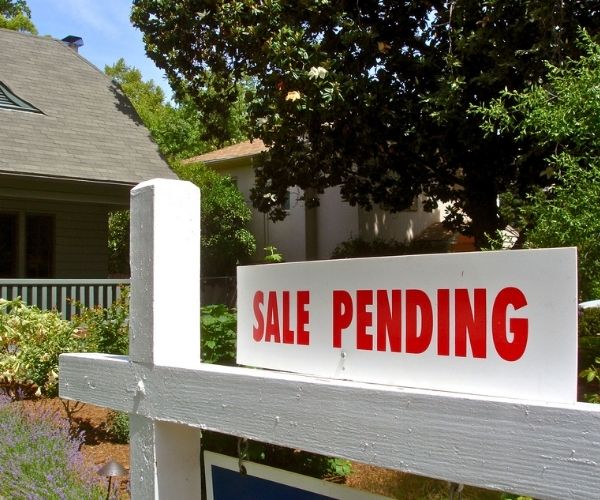
Pending is the final phase of the buying process, signaling that the sale is close to being completed. The likelihood of another buyer stepping in is very low.
Navigate the Market with Confidence!
Buying a home is really just a legal transaction, and having an experienced agent like Ellen to guide you makes all the difference. Ellen says, “The process is very linear. You can’t skip a step; you can’t jump ahead. I walk through each step of the process with my clients so they know exactly what is going on. Keeping everything on track is my job, and if something happens and things go off the rails, I will always bring my clients a solution.”
The home buying journey can be daunting and confusing, but it doesn’t have to be. Work with a trusted agent like Ellen to feel confident and well-informed every step of the way.