People selling their homes often assume that making upgrades will automatically increase their value. More often than not, though, this is not the case, and many sellers have learned this lesson the hard way.
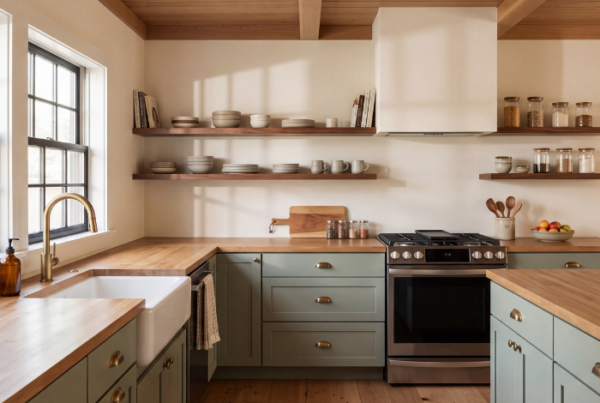
Full kitchen and bathroom remodels are the most common renovations sellers make before listing their home, expecting that all of the money spent (and then some) will be recouped once the home sells. Unfortunately, these upgrades can easily cost the homeowner more money than it’s worth, in the end. Other “improvements” that sellers assume will boost home value include adding swimming pools, garages converted into living spaces, and extensive, highly personalized landscaping. Ellen always tells her clients, “It’s about knowing what NOT to do before listing a home.”
That’s not to say that these upgrades will not add value to a home. The right home in the right market can indeed increase in value, making these investments worthwhile. But it takes an experienced agent to know whether a specific upgrade or renovation will increase – or have no impact at all – on a home’s marketability.
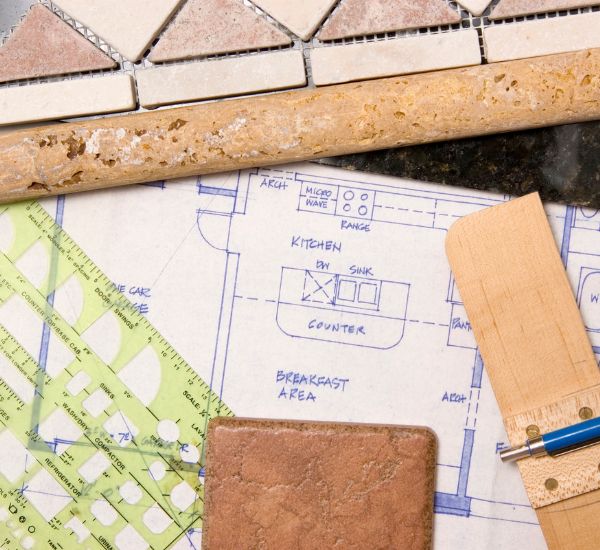
An experienced real estate agent can help you decide which home improvements are worth the investment and which should be skipped.
Talk To Your Agent Before You Start Making Home Improvements
Real estate agents bring a different perspective to a home that homeowners seldom see for themselves. The realtor’s knowledge and experience give them a clear-eyed view that enables them to accurately evaluate the property from the buyer’s perspective, without the sentimental value and personal tastes attached. Sellers are often “house blind” to their own home, which makes it difficult for them to spot the small details that stand out to potential buyers.
Agents also know what comparable homes on the market and in the neighborhood are like, and the prices they are fetching. That makes them excellent judges of which improvements will increase the home’s value, make it competitive with similar listings, and stand out in the market while addressing any concerns that potential buyers may have.
Do home renovations always increase home value?
No, home renovations do not always translate directly into a higher sale price.
Investing $75,000 in a brand-new, state-of-the-art kitchen doesn’t guarantee the home will sell for $75,000 more. It takes experience and thorough knowledge of the current housing market in any given area to know whether the cost of a project will reliably increase the market value enough to make the renovation or upgrade worth the cost. According to FastExpert, “Most renovations recoup roughly 40%–80% of their cost at resale, though return on investment varies widely by project type and local market conditions.”
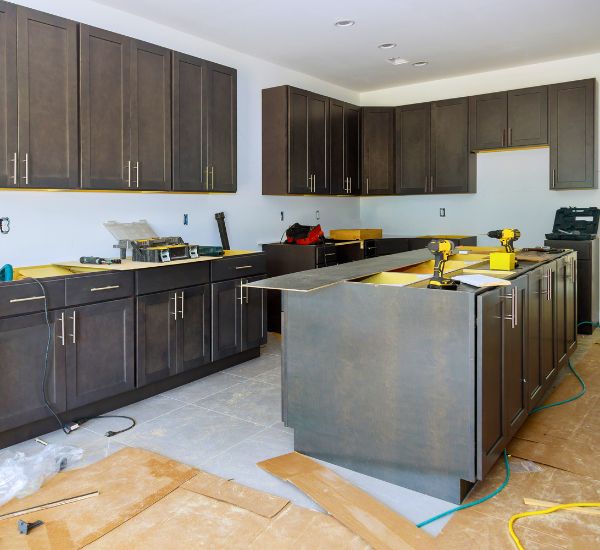
An experienced real estate agent can help sellers decide on upgrades based on:
- Buyer demand: How much buyers are likely to value the improvement and whether it will influence their purchasing decision.
- Price-point expectations: Is this upgrade appropriate or expected for homes in this price range? For example, a high-end appliance package only makes an impact on home value in a specific price point. For million-dollar+ listings, it is expected. For a small, starter home, it is an over-improvement that buyers won’t value enough to justify the cost.
- Local competition: How the home compares to similar homes on the market and whether those homes have similar upgrades.
- Marketability: The potential of the upgrade helping to market the home and give it an edge over competing listings.
Remember, the goal is not necessarily to make the house as nice as possible. It is to make it the right house for the market in which it’s being sold.
Which home improvements have the best return on investment?
The best home improvement project depends on the home and current market conditions. It’s not always about which renovation has the highest resale value – it’s about which ones make the most financial sense for that particular home.
A knowledgeable real estate agent with localized market insight and experience marketing a specific type of home can help determine which projects will have the best return on investment.
The most common upgrades are:
- New paint for walls and ceilings
- Flooring
- Kitchen updates
- Bathroom updates
- Landscaping and curb appeal
- Fixtures and hardware
- Roof
- HVAC
- Sewer line
A real estate agent can help break down the cost, buyer value, competitive necessity, and potential financial returns on any upgrade or renovation. Remember, the goal is to strengthen the home’s position in its market enough to justify the time and expense.
Should you paint before listing the home for sale?
Paint is one of the most cost-effective ways to refresh a home, but before getting the brushes out, know that color selection is key.
Freshly painted rooms (that includes ceilings!) are excellent for sprucing up a home before selling it. The space instantly feels cleaner without any unsightly wear and tear visible. Paint can help create a more cohesive feel throughout the home and make it easier for buyers to imagine themselves living there.
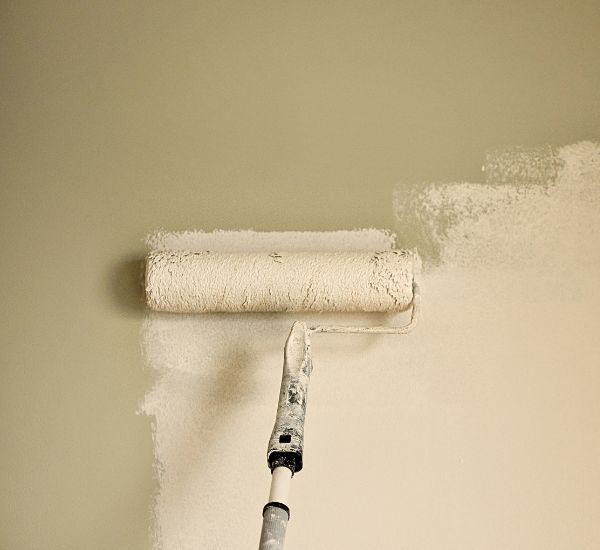
All-white homes are difficult for buyers to picture themselves living in.
Before heading to the home improvement store for supplies, talk to the agent about color. It’s easy for sellers to think that painting all the rooms stark white will make them look brighter and larger, but buyers today are more likely to see an all-white home as a project waiting to happen. Instead of inviting and expansive, buyers see these homes as cold and unfinished.
There is no one “best” color. Speaking with the agent first will help the seller identify which will be the most attractive to the most potential buyers. Colors will depend on a number of factors, including existing finishes, the availability of natural light, flooring, the home’s style and architecture, and even the price point. Today, most buyers prefer homes that are painted in soft, lighter neutrals.
How do agents know what buyers in your market want?
An established agent knows firsthand what today’s buyers in their local markets respond to. They not only keep an eye on national trends; they know what the locals are drawn to.
Realtors tour other homes in the area, attend showings, talk with other agents, listen to buyer feedback, and note which listings are selling fast and at what price points. An experienced agent will specify what upgrades to suggest to sellers and help them make an informed decision about which ones will add the most value to their home in their area.
Ellen’s extensive experience marketing and selling old houses makes her a particularly valuable source for homeowners selling their historically and architecturally unique homes. Many of these homes include features or materials that don’t need to be replaced simply because they are older. In fact, older, more “intact” homes can be more valuable because of those features. Her knowledge can help sellers decide which upgrades are truly worth considering and where they can save money by letting the home’s character speak for itself.
That same expertise is also valuable when it comes to selling newer homes. Whatever the house’s age, style, or location, Ellen helps owners decide which projects will improve marketability and which ones can be skipped.