HVAC systems in the Kansas City area often struggle to meet homeowners’ needs during the region’s scorching summers and frigid winters. Cranking the thermostat can put undue strain on systems that are already working overtime. Instead, follow these seasonal tips to keep homes comfortable, extend the life of HVAC systems, and control monthly utility bills.
Summer Cool-Down Tips
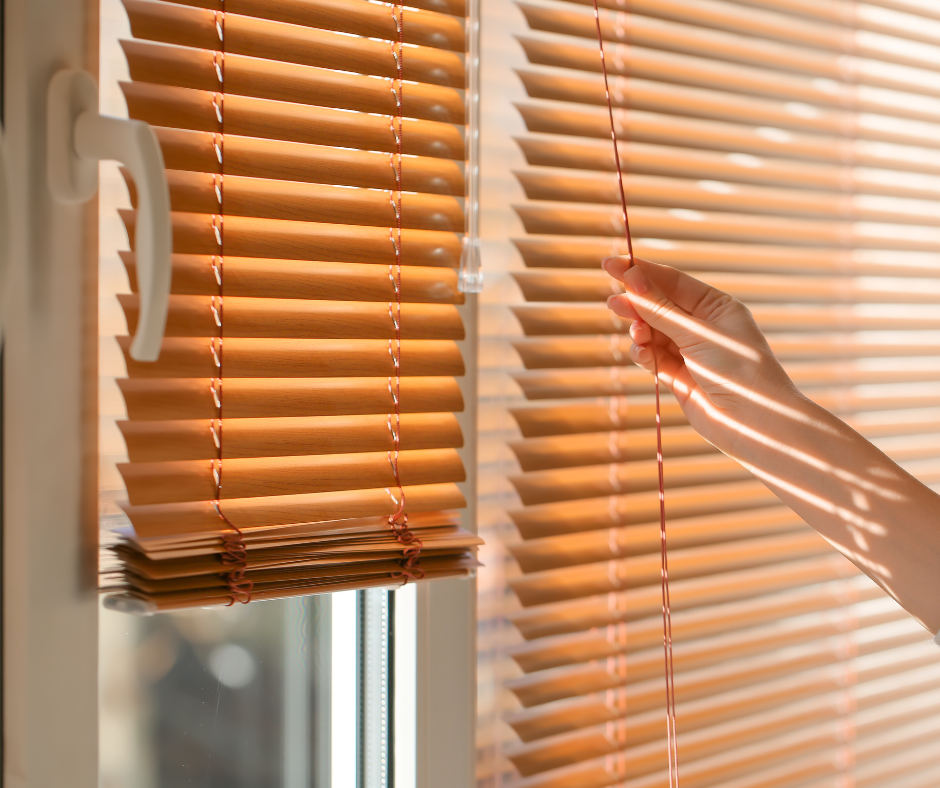
Keep your home cooler by closing blinds and curtains during the hottest times of the day.
1. Close Shades and Blinds
Pull the shades and close the blinds! One of the easiest and best ways to keep the home’s interior cool during the summer is to keep windows covered. During the heat of the day, limit the hot sunlight’s ability to blaze through windows, especially those facing south and west.
2. Avoid the Stove and Oven
Stoves and ovens radiate heat, so cooking during the hottest part of the day can noticeably raise the temperature in the kitchen – and throughout the entire house. Heat lingers on surfaces long after they’re shut off. Newer homes often don’t have a separate kitchen area that allows them to be sealed off from the rest of the house while cooking, so heat from making meals tends to travel to other rooms.
Instead of using the stove or oven during the heat of day, when possible, use smaller kitchen appliances, like microwaves and air fryers – or stick to cold meals in the middle of the day, such as salads and sandwiches. If the stove or oven must be used during the day, turn on exhaust fans to push heat and steam outside, and crack the door or a window to allow heat to escape.
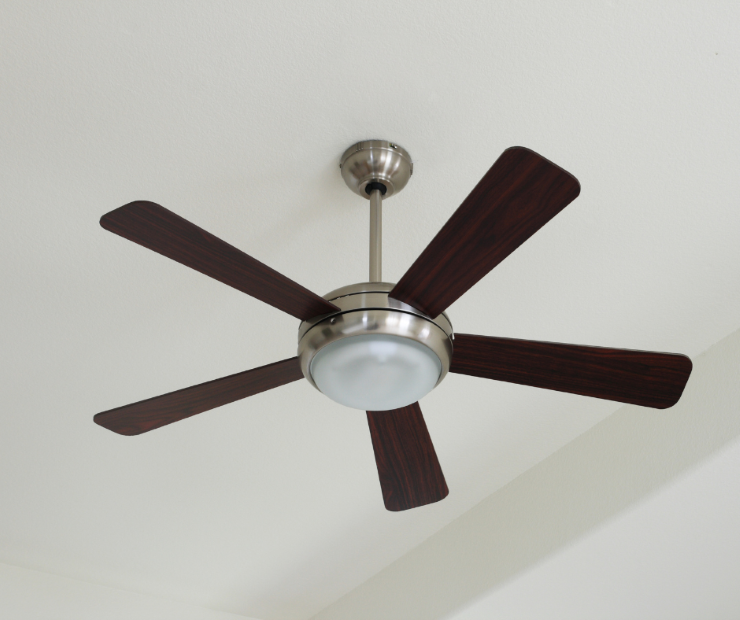
Ceiling fans should rotate counterclockwise during summer and clockwise during winter.
3. Adjust Ceiling Fans
Ceiling fans won’t necessarily lower the temperature of a room, but they circulate air, which can create the effect of a gentle, cooling breeze on a hot summer day. The key is to make sure that ceiling fans are spinning in the right direction.
When it’s hot outside, the blades of a ceiling fan should rotate counterclockwise. This pushes air directly downward, creating the sensation of a breeze. This one simple step can help cool the room, reduce wear on air conditioners, and save electricity.
4. Open Windows at Night
When the sun goes down and the heat of the day begins to fade, open those windows! This allows hot air trapped in the home to escape while allowing the cooler nighttime air to come in.
Opening windows on opposite sides of the house and doors throughout will create cross ventilation. Air enters on one side, pushing hot air out of the other. A fan in the window blowing air inward can boost the airflow further. Cooling a home like this, without the AC, puts less stress on the system overall.
Attic fans can also improve air flow within the home. These draw hot air from the home and attic and create a vacuum to pull in cooler air from outside. Attic fans are more common in older homes. If your home has one that is not in use, consider refurbishing it to help improve ventilation.
5. Switch to LED Lightbulbs
Simply switching from traditional incandescent bulbs to LED bulbs is not only one of the most cost-effective lighting options, but it also helps keep it cooler inside during the summer.
Old-fashioned incandescent light bulbs release up to 90% of their energy as heat, working like a mini space heater every time the switch is flipped. On the other hand, LED bulbs stay cool when they are on and create light much more efficiently. Remember, every little extra bit of heat generated in the home during the summer means more work for the air conditioning system.
Winter Warm-Up Tips
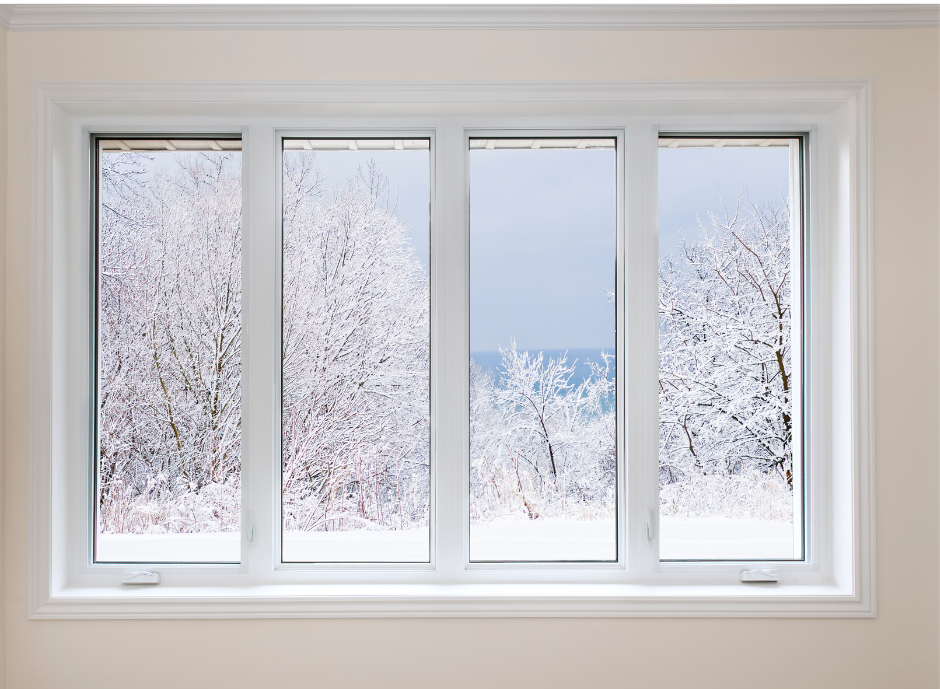
Allow winter sunlight in to naturally warm your home during the day.
1. Let Sunlight In
Sunlight’s thermal energy can be put to use even during the chilliest winter days. Open blinds and curtains during the day to allow sunlight to help warm spaces naturally. The light hits surfaces throughout the rooms, which absorb the energy and create heat that is radiated back. South-facing windows receive the most light during the winter, especially from late morning through the afternoon.
Shut blinds and curtains at night, though, as they help insulate windows and reduce the flow of cold air from any drafty windows.
2. Adjust Ceiling Fans
When temperatures drop outside, it’s time to switch the direction of ceiling fans again. Warm air naturally rises, so any heat in the room will collect near the ceiling. Ceiling fans, rotating clockwise on the lowest setting, create a natural updraft that displaces the heat and circulates it back down and throughout the room.
Setting the fan in this direction will not create a direct breeze. Instead, the room will be more evenly heated, and cold spots will be reduced.
3. Close Fireplace Dampers
Have a fireplace? Make sure that the damper is closed when it’s not being used. A damper is a metal flap inside the chimney that allows smoke to escape while the fire burns. An open damper during the winter is like having a window cracked at the top of the home, providing easy escape for rising warm air. This not only leads to drafts, but forces furnaces to work even harder to replace the lost warm air.
4. Use a Humidifier
Air is naturally dry during the winter, and furnaces make it even more so. Lower humidity levels will also make the air feel colder than it actually is.
Moist air retains heat better, keeping a home feeling warmer without turning up the thermostat. Other benefits of balanced humidity include less irritation of the sinuses, better protection from respiratory issues, and help preventing wood furniture and flooring from drying and cracking. Place humidifiers in rooms that are used the most, and make sure to clean them regularly to avoid the buildup of mold and bacteria.