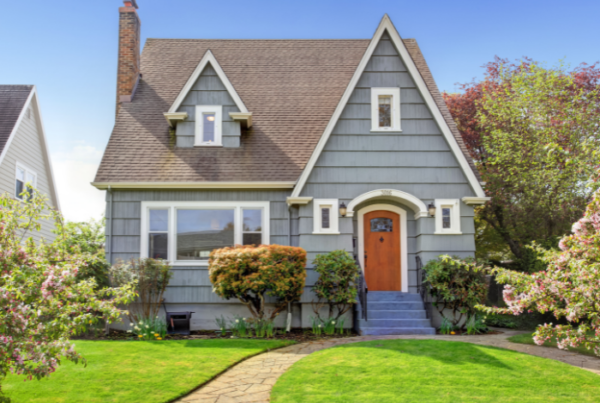
Congratulations! Moving day is finally over and you’re settling in to your new home! It’s so good to be out of that cramped apartment and for you it’s an exciting transition, but your pet will have some adjusting to do as well!
Whether you have a new puppy and need to puppy-proof your house, or you are helping your faithful companion adjust to a new house, Ellen is here to make the house transition EZ!
Here are Ellen’s tips for helping your dog adjust to the new house!
In Your New Backyard:
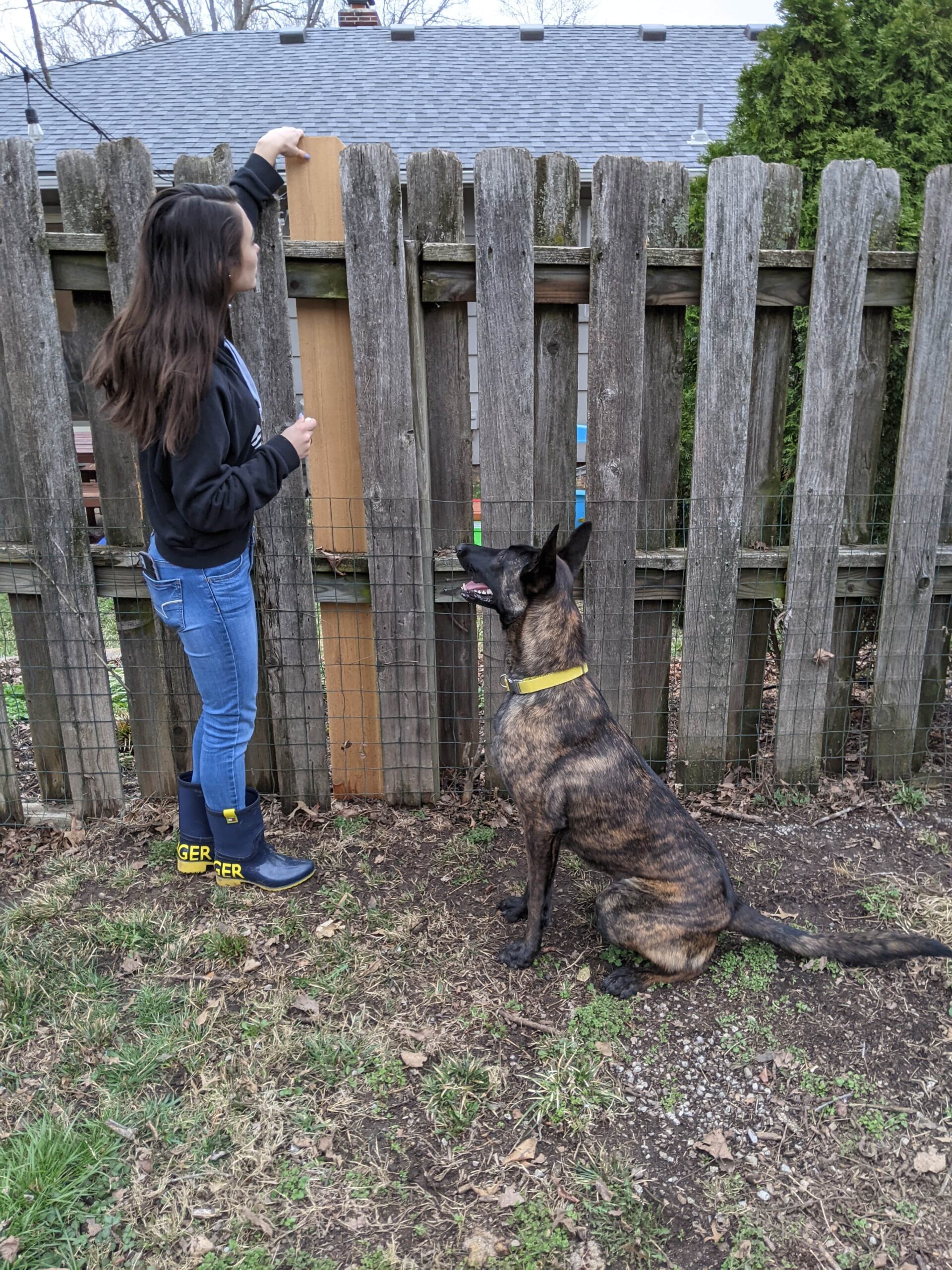 It’s incredible to have a bit of your own outdoors, isn’t it? You no longer have to rush your dog down the apartment complex halls and stairways desperately hoping to make it out on to a patch of grass before the next accident strikes. No more! Just open the back door – or better yet, install a doggy door!
Be sure to walk the perimeter of your outdoors and check the full length of the fence, making sure your dog cannot squeeze out any holes. Check for rusty wires or protruding nails while you’re at it. Once you’ve done a full perimeter sweep, you can rest easy knowing your sweet pet won’t get out or injured.
Make sure any doggy door you purchase is not large enough for a burglar to sneak in – the doggy door should be just the right size for your pet; if you have a puppy, get a doggy door that will fit his grown self – not just his current dimensions! A locking doggy door is ideal so that after the last potty break outside at night, you can put your dog to bed and lock the doggy door so you both can get some good night’s rest.
Double check that any in-ground pool is closed in with a fence, and that any above-ground pool is inaccessible for your pet. Many dogs are able to jump or climb into pools, but unable to get out. Remove the ladder when the pool is not in use to avoid any sad accidents.
In Your Kitchen: 
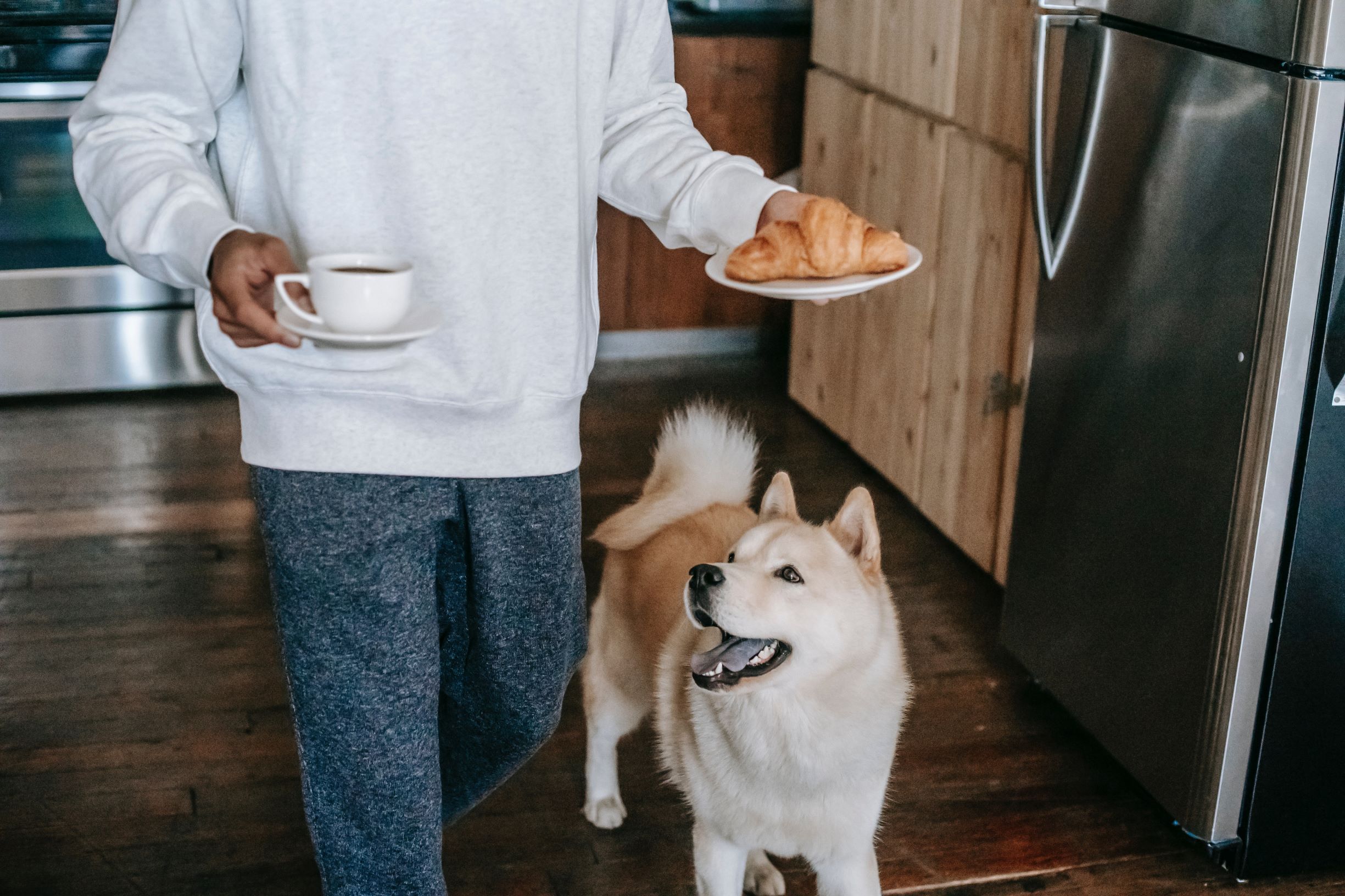
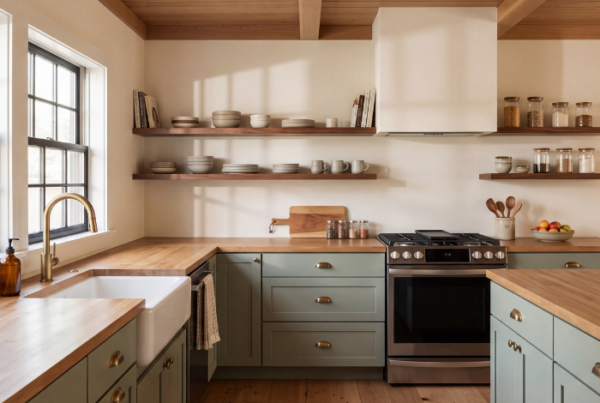
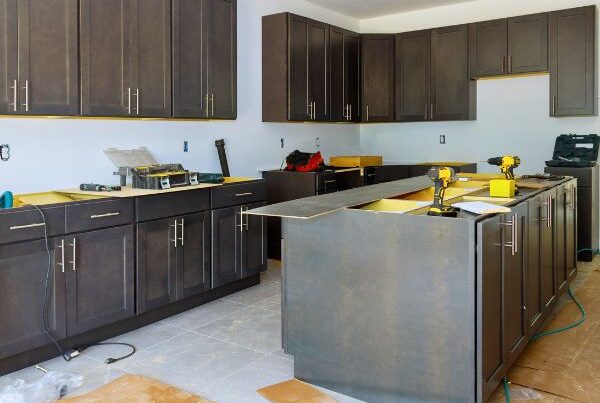
Establish clear boundaries with your pet from day one of moving into your new home. It’s wonderful to have space to cook and enjoy company, but the kitchen is a tempting place for furry paws and prying doggy teeth. Keep food off the counters and safely stored up and away out of reach. Don’t overlook the butter dish – that tasty snack will clog your dog’s arteries and cause some digestive repercussions! If you have a gas stove, check to see if it has child-proof locking capabilities. While your dog may stay off the counters while you are at home, your pup may jump on the stove while you are gone and inadvertently turn on the gas. There are also child-proof knobs that you can purchase for a gas stove that will keep your pet and home safe. For teaching safe boundaries, consider using baby or doggy gates to establish clear limits; reinforce these house rules with gentle training like these tips from Wag! For more in-depth reading, check out what the AKC has to say about Boundary Training.
In Your New Home Office:
Perhaps you enjoy the company of your pet while you’re working from home. Having your own home office is an incredible luxury now that you’re out of your cramped apartment! Maybe putting a doggy bed along the wall of your office will keep your pup close without having to handle as many distractions. Keep a toy basket in one corner so your dog can stay busy and occupy herself while you work!
Does your pet suffer from separation anxiety? After spending so much time together, she may feel sad or left out when you’re simply walking to a different room! Practicing crate training is an important tool for both you and your pet. Implementing these training techniques will make the transition easier for both of you – now she will know how to settle down anxiety-free and you’ll be able to get some work done without worrying about your puppy’s potty accidents on your office rug!
In Your Laundry Room: 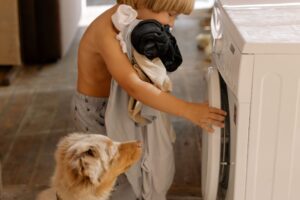
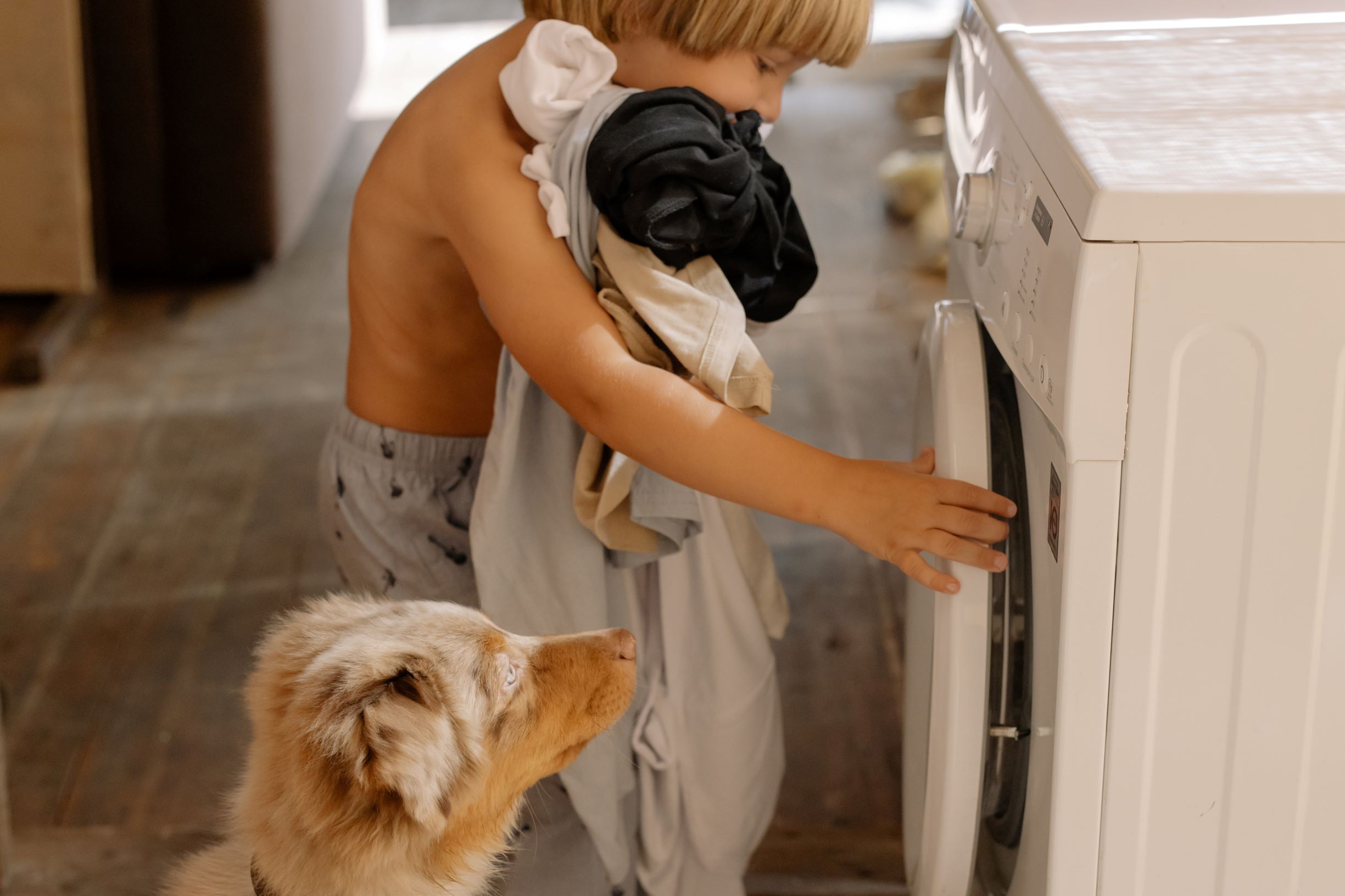
Hurray, no more trips to the laundromat! Say goodbye to lugging hampers in and out of your car – no need to wash your dirty laundry in front of strangers! Being able to clean your clothes at home is a life-changer – here are some hints on keeping your dog safe:
- Put any cleaning agents or detergents up on shelves or in cupboards out of reach; watch out especially for home cleaning supplies.
- Consider putting your detergents, sprays, and paper towels in a sealed bucket if shelving isn’t an option.
- Remember that if you’re hanging clothes on the line, you’re going to need to keep muddy paws and play-driven teeth away from the clean laundry!
In Your Basement:
Store dog food and other supplies in the basement so that they’re accessible but not always underfoot! Make certain that any dog food container you use is air-tight and waterproof to keep basement moisture – and bugs – out! As a matter of fact, it might be wise to keep your dog out of the basement completely to protect any storage or bike tires you may have down there. Plus, if you don’t want your pup getting out and getting lost, it’s probably a good idea to keep him out of the garage altogether. Leftover paint, construction materials, and lawnmowers don’t make great dog toys.
In Your Neighborhood:
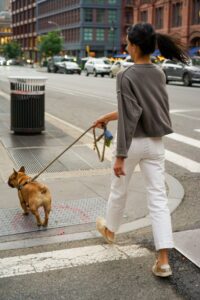
Consider taking your dog for a walk around the neighborhood even before you move in! This will allow your pet to adjust to the new surroundings and meet the new neighbors on good terms. Even after moving day is over, regularly scheduled walks are something for both you and your pet to look forward to. Practice leash training and excellent recall even before you join your new neighborhood community to make the transition as easy as possible.
Welcome to your new community, and more importantly, welcome home! With these tips in mind, adjusting your pup to your new home will take no time at all!
If you haven’t found the house for you yet, call Ellen today at (816) 489-6950 or contact her online for more information! She can’t wait to help you find and settle into the home of your dreams!