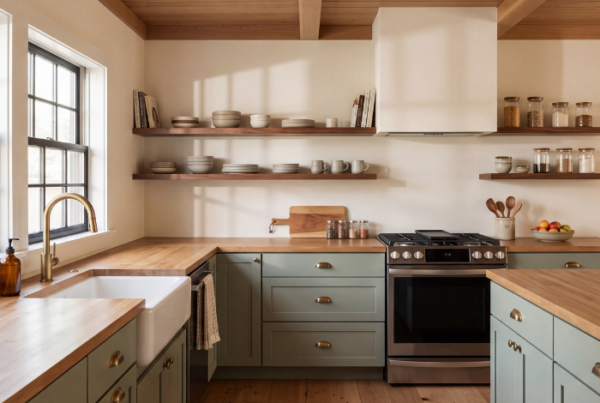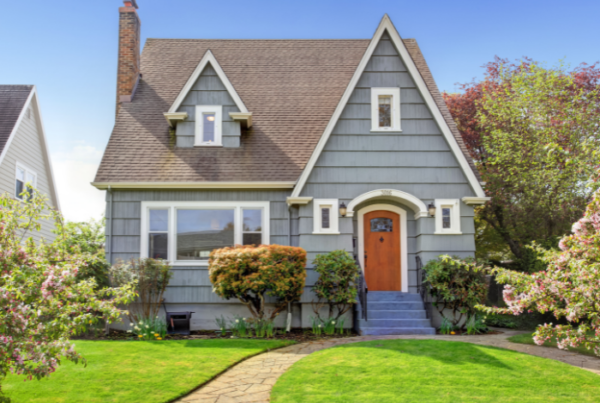
The materials that a homeowner selects for a new roof will have a huge impact on the home’s appearance, the roof’s durability, and replacement costs.
The roof is one of the biggest investments homeowners must face when it comes to maintaining their property and protecting its long-term value. For owners of older homes, chances are the roof is likely nearing the end of its viable lifespan. Aging shingles don’t just make the home look shabby. They lower the energy efficiency of the home and increase the risk of water damage caused by unseen leaks. Plus, as the roof gets older, the cost to insure it increases. While no homeowner is ever keen to replace their roof, having a clear understanding of the available options can help you feel confident in your decision.
Cost is the leading concern when it comes to replacing a roof. The price of roofing materials varies widely, and each type has its own advantages and drawbacks. Which lasts the longest? Which are preferred by home insurance companies? What style is most suitable for the architecture? Knowing the ins and outs of the materials used for roofing will determine the best choice for each home and budget.
Most Popular Types of Shingles in the Midwest
Asphalt
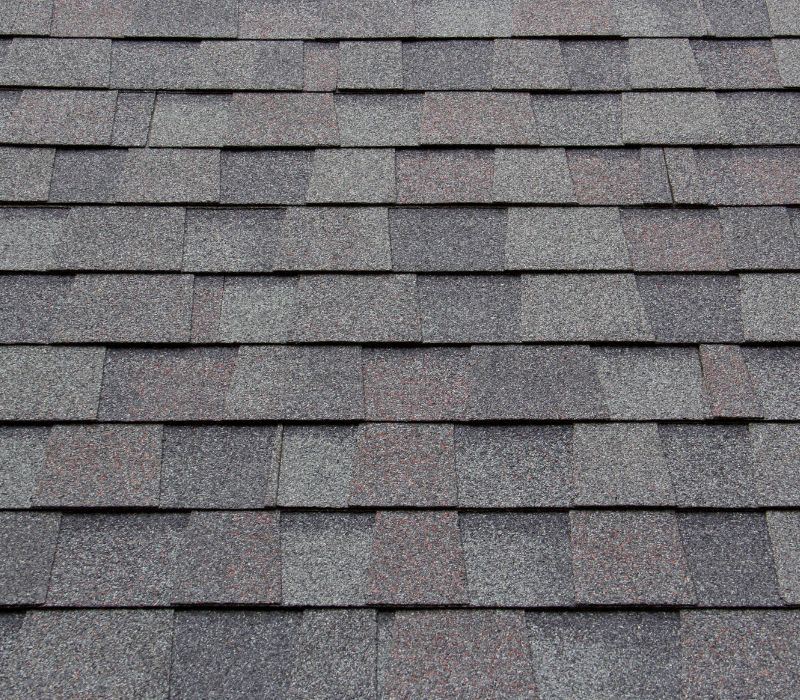
Asphalt shingles are the most commonly used shingles in the United States. They are wildly versatile, budget-friendly, and relatively easy to install. However, even though their quality has improved significantly over time, they still have the shortest projected lifespan of all the shingle options discussed here. The standard asphalt shingle is the 3-tab shingle – a single, flat layer with three distinct tab cutouts. For a more elevated look, homeowners can opt for dimensional asphalt shingles, which feature a multi-color design for a higher-end appearance.
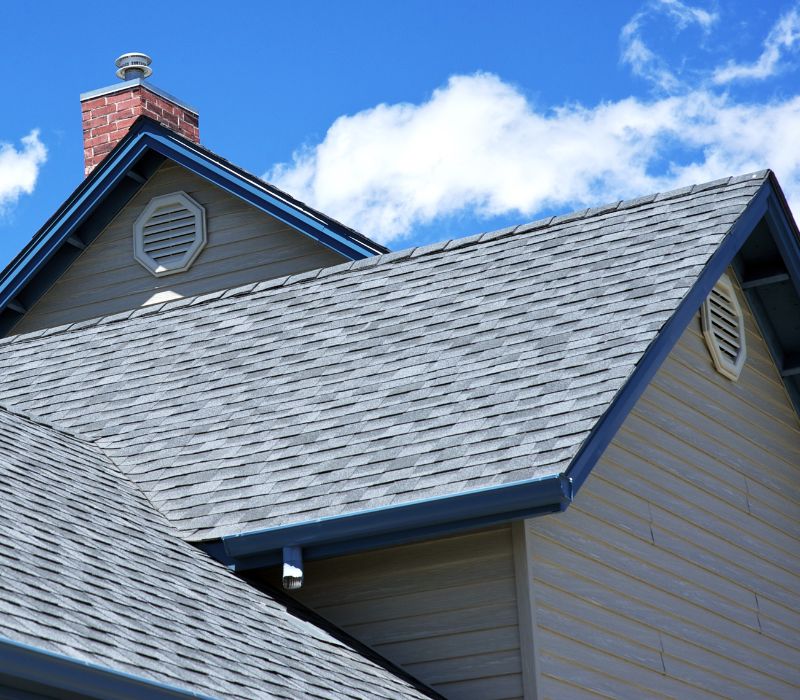
Traditional asphalt shingles come in many different colors and styles to match a wide range of architectural styles.
Composite (Synthetic) Shingles
Composite shingles represent the middle ground between traditional asphalt and metal. As one of the newer products in the marketplace, fewer homeowners are aware of them, but they offer a great range of benefits.
Also known as synthetic shingles, composites are just that: manufactured from a combination of synthetic polymers or a blend of recycled materials, such as plastic or rubber, depending on the manufacturer. They are very lightweight, yet still durable enough to withstand heavy storms. They can visually mimic almost every kind of roofing material, including traditional asphalt or more expensive options, like wood shake or slate. Because today’s composite shingles so closely replicate the look of natural roofing materials, HOAs are beginning to relax some restrictions on approved roofing materials.
Metal Shingles/Panels
Homeowners are increasingly selecting metal roofing materials because of their increased durability and energy efficiency benefits. At one time, metal roofs were found mostly on commercial buildings or barns, but now they are designed and manufactured in a wide range of styles and profiles. This allows them to easily complement residential homes that range from the traditional to contemporary.
“If you are planning to stay in your home for the next 10 to 15 years, I would recommend going with a traditional asphalt shingle,” says Ellen’s go-to roofing expert, Austin Boller of Easton Roofing. “If you are building or renovating your forever home and want a roof with maximum longevity, a metal roof would be a good investment for you.”
Impact-Resistant Shingles
Impact-resistant shingles are engineered to specifically withstand damage from hail and other windblown debris, like falling tree limbs. Many different types of shingles, including asphalt, composite, and even metal, offer impact-resistant options. Ratings are assigned to each shingle that indicate its resistance to hail.
- Class 1 – Basic impact resistance
- Class 2 – Moderate impact resistance
- Class 3 – High impact resistance
- Class 4 – Highest tested level of impact resistance
Boller recommends Kansas City-area homeowners invest in impact-resistant shingles, especially if they reduce the cost of homeowners insurance.
30-, 40-, and 50-year Shingles
When you see the terms 30-year, 40-year, and 50-year connected to a shingle, this is not a guarantee on how long that specific shingle will last. That is just the name of that shingle. Generally, the higher the shingle year, the more protective granules the shingle contains. These granules are the textured, sand-like particles that are embedded in the surface of the shingle. Premium shingles will be thicker with more granules so that they can better withstand the elements.
It is also important to note that no shingle will come with a true lifetime warranty. Manufacturers will advertise “limited lifetime warranties,” but these come with very specific terms and conditions. They should not be interpreted as a guarantee that the roof will last a lifetime. Even if a shingle lasts for decades, the wood structure below will not, and insurance companies are considering this, too, when making their coverage decisions.
Roofing Materials to Avoid in Kansas City
Another recommendation from Boller: homeowners here should avoid wood shake roofs. While beautiful, they are highly susceptible to hail damage, as well as the high humidity and rapid freeze-thaw cycles in this region’s climate. Those conditions will require more repairs and maintenance of wood shake roofs. It also makes them more difficult to insure.
He also warns against coated shingle options. Marketers often claim that they can extend the roof’s lifespan, reflect more sunlight, which, in turn, lowers utility bills, be resistant to mold or algae growth, and provide higher durability that helps avoid storm damage. However, no coating can reliably provide any of these benefits.
Budget
Shingle choice is not the only thing that impacts the overall cost of replacing a roof. The total size, overall complexity, and slope of the roof all factor into determining installation costs.
The total upfront costs play a major role in determining what shingles are chosen, naturally, but this should not be the only consideration. Different materials require different maintenance over time, and also need to be replaced at different times. Some may last only 10 to 15 years, while others may reliably last for decades.
Keep in mind: It is very difficult to find a home insurance provider who will seriously consider covering a roof that is over 20 years old, even if it is “guaranteed” to last for 50. Insurers are very hesitant to provide coverage after the 20-year mark, even if the condition of the roof is excellent.
Tips for Extending the Lifespan of the Roof
Austin’s number one tip for homeowners looking to make their new or current roof last as long as possible is to ensure the attic is properly ventilated.
“The cooler the attic stays, the longer the shingles are going to last,” he says. “If it gets really hot in the attic, the shingles are just baked from the inside out. A properly ventilated attic will allow those shingles to stay cooler and last for the full lifespan that they’re supposed to.”
Choosing the right roof means balancing cost, appearance, and long-term performance.
No single roofing material is right for every home. The best choice depends on the budget, how long owners plan to stay in the home, the architecture, and the level of protection needed for the area’s weather. Understanding the strengths and limitations of each option can only help homeowners make a fully informed investment that protects their home and finances for years to come.