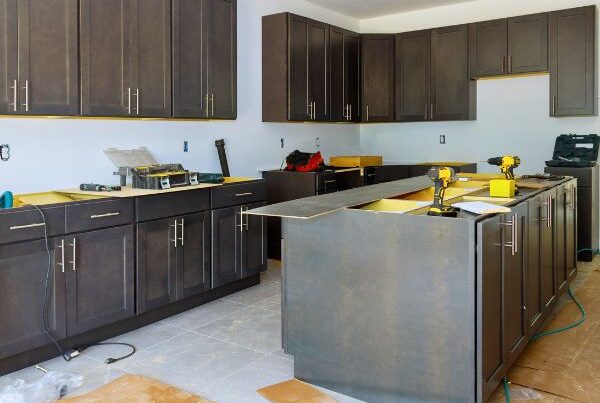
Homeownership comes with a long list of responsibilities. A home warranty plan can provide you with a little peace of mind when it comes to maintaining your home’s major systems and appliances.
What is a home warranty?
Home warranties, not to be confused with home insurance, are service contracts that help cover some or all of the costs to repair or replace certain home systems and appliances.
Generally, homeowners pay an annual or monthly fee for their contract with the home warranty company, so that when something like the HVAC system or the refrigerator breaks down, they can receive some help with paying for the repair or replacement. It sounds simple enough, but there are nuances and stipulations that must be considered.

Home warranty plans assist homeowners with repair and replacement costs of major home systems and appliances.
What do home warranties cover?
Exactly what’s covered by the home warranty depends on the company and the plan. Typically, they either cover systems, appliances, or a combination of both.
The systems covered by these plans include heating and cooling systems, electrical systems, plumbing, water heaters, and ductwork. Appliance coverage plans generally include refrigerators, dishwashers, ranges/ovens, garbage disposals, and washers/dryers. Homeowners can also choose to include additional coverage for pool equipment, well pumps, septic systems, sump pumps, sewer lines, and roof leaks.
Keep in mind that home warranties typically only cover these systems and appliances when they fail from normal wear and tear. They will not cover repairs and replacements that stem from pre-existing conditions, improper installation or use, lack of routine maintenance, cosmetic damages, code violations, or structural issues.
How Home Warranties Work
When an issue covered by a home warranty arises, the first step is to contact the company by phone or through their online portal. They will dispatch a contractor within their network – homeowners do not get to choose the service contractor – and require the homeowner to pay a fee for the service call.
The technician will come out and diagnose the issue to determine if it is covered under the home warranty plan. If it is, the tech will repair or arrange a replacement. If it is not covered, the home warranty company will deny the claim, and the homeowner must pay for the repair or replacement out of pocket.
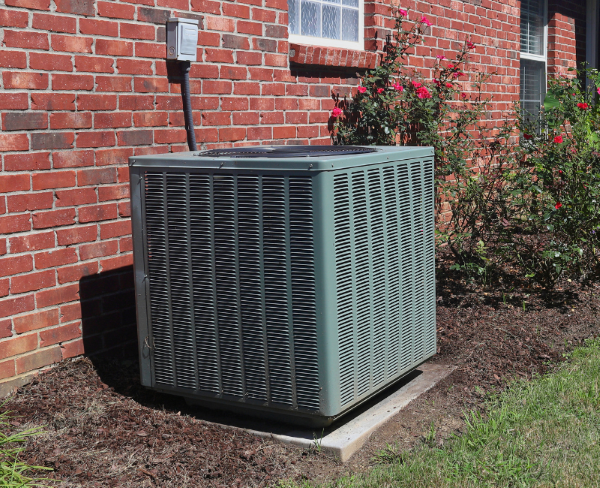
Homeowners often choose to purchase a home warranty in case something expensive, like the HVAC system, breaks down unexpectedly.
Top Reasons to Get a Home Warranty
There are a number of reasons that a homeowner may decide to purchase a home warranty plan:
- Budget Predictability – Homeowners who want to avoid large, unexpected repair bills find that purchasing a home warranty plan turns that unpredictable expense into a smaller annual fee that is much easier to budget. This is especially useful for new homeowners who may not have a large emergency fund yet.
- Expired Manufacturer Warranties – If a home’s major systems and appliances are older, the manufacturer warranties are most likely expired. A home warranty plan can act as a substitute for those original warranties.
- Aging Systems and Appliances – If an HVAC, water heater, or other major appliance is approaching or past the expected lifespan, repairs can be expected sooner. A home warranty plan can help with those costs, or even fund a replacement.
- New Home Purchase – Sellers often include home warranty coverage for a year as an incentive to buyers. This helps alleviate some unexpected costs if there are any issues within the first year of homeownership.
- Convenience – Busy homeowners, or those who have not built their own network of trusted professionals, can benefit from the home warranty company’s pre-vetted network of contractors.
Choosing the Right Home Warranty Company
Once the decision is made to purchase a home warranty plan, deciding which one to go with can quickly become overwhelming, so keep these factors in mind:
- What exactly is and is not covered? Review the full sample contract, not just the marketing brochure.
- Check the coverage caps for each major item, especially for items that are the most expensive to replace, like the HVAC system or water heater.
- Review the company’s criteria for denials surrounding pre-existing conditions and lack of maintenance. These are the most common reasons that claims are denied.
- Know what the fee will be for a service call and if the company can increase this fee later.
- Ask about average response times, especially for emergency situations.
- Make sure that systems or appliances showing age or other conditions are covered.
Home warranty plans can provide homeowners, new or old, with peace of mind that all the important systems and appliances that keep their home running smoothly are protected. If you have questions about whether a home warranty is the right choice for you and your family, or need a trusted recommendation, call Ellen! She has worked firsthand with several home warranty companies and regularly assists her clients with deciding if a plan is right for them.